
*View accurate shipping rates and availability






197 Items


Spend over $800 and receive free gifts in your cart. Towels, accessories and full length mirrors!


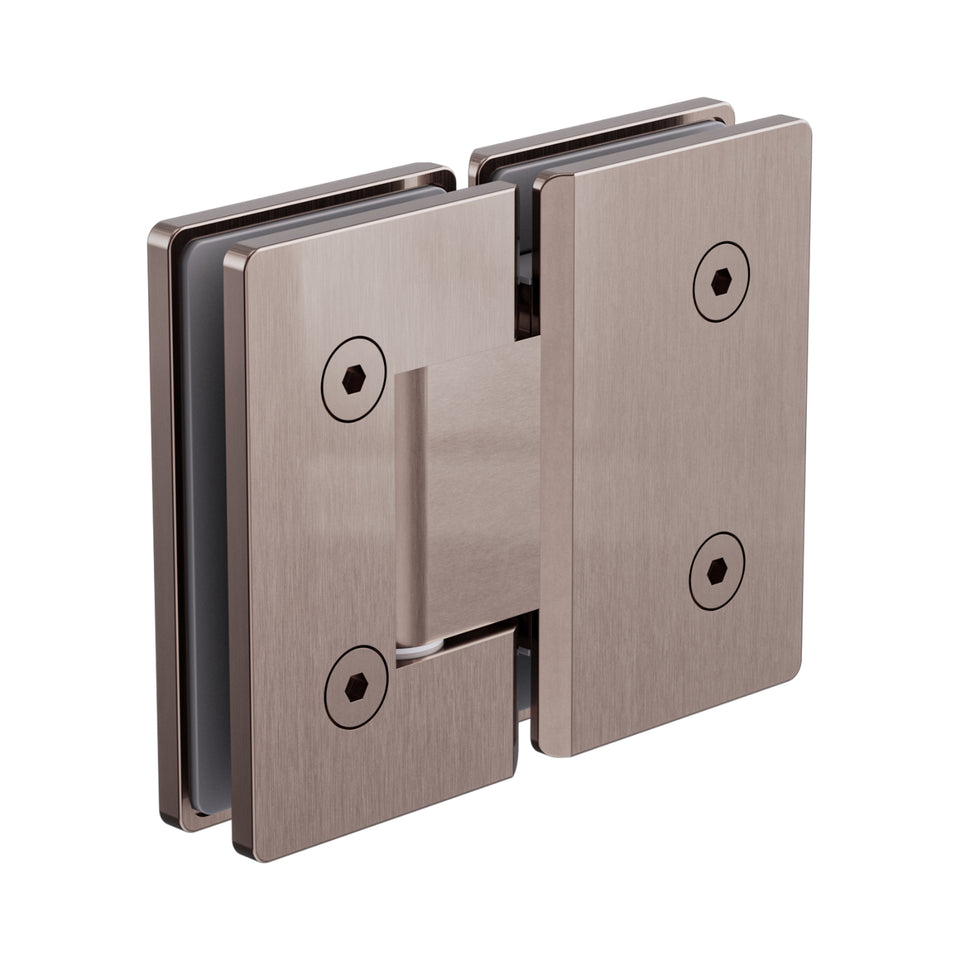
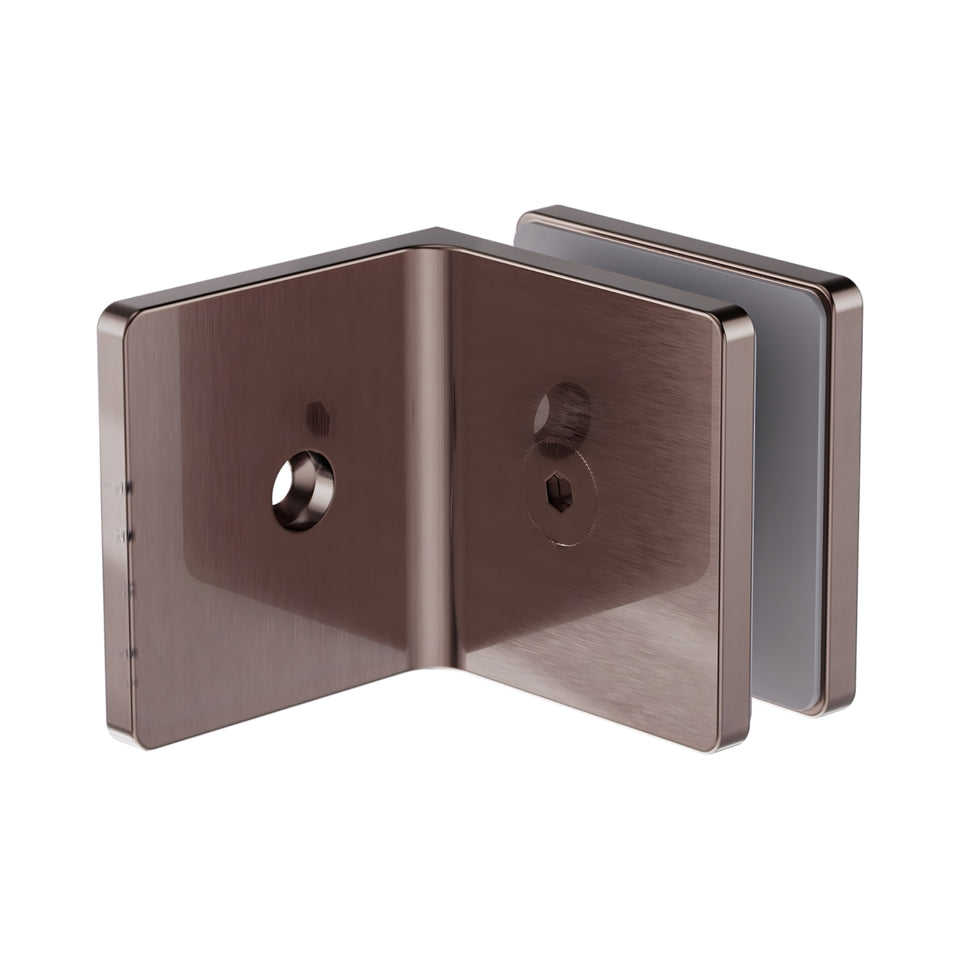



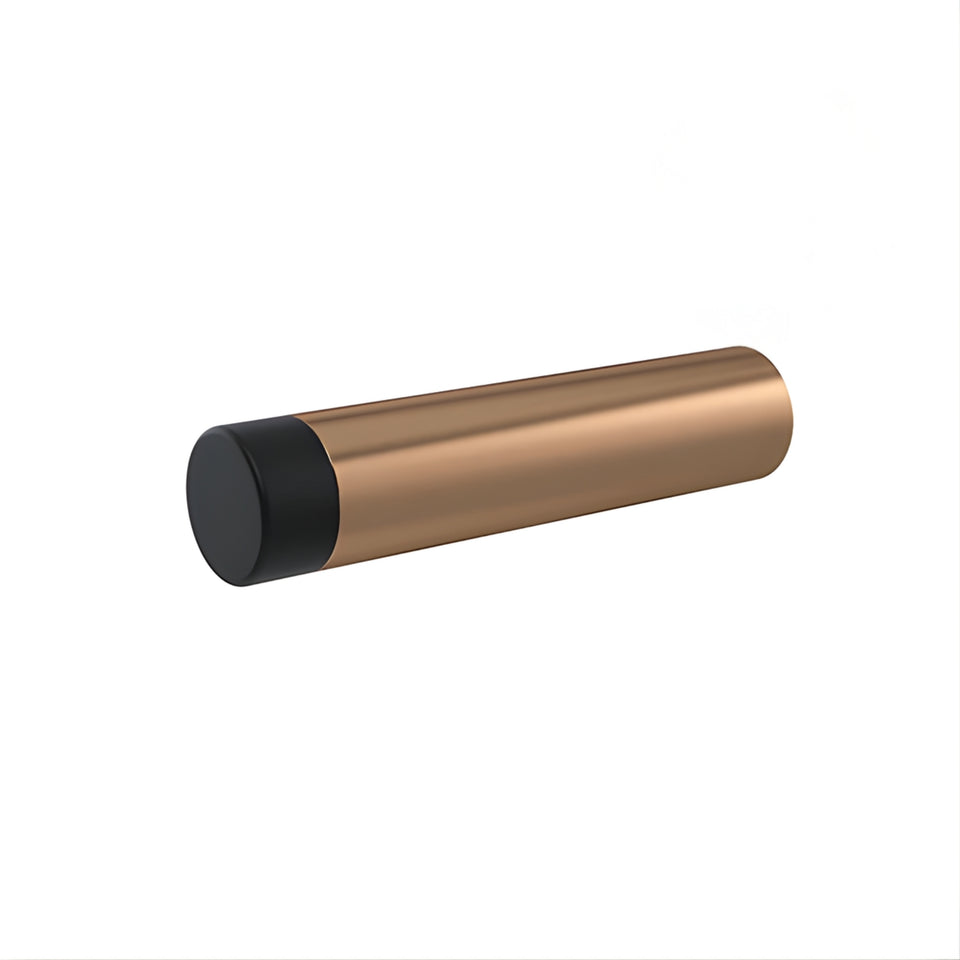
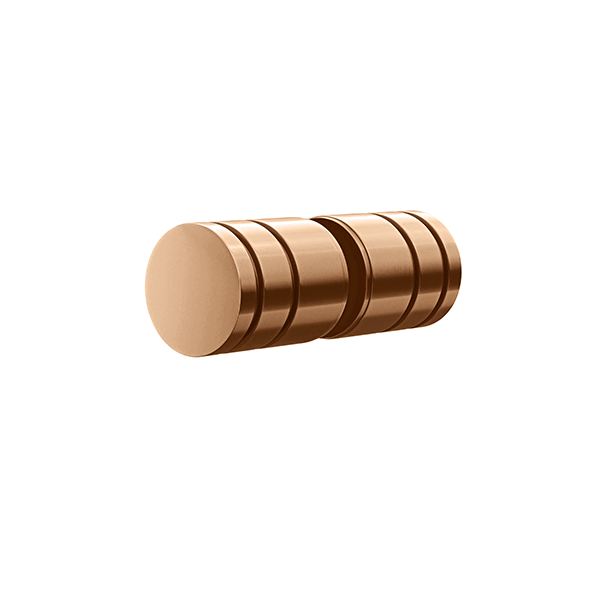









A door handle is touched daily and seen constantly, and bronze earns its lasting appeal through genuine substance as much as its warm tone. Because the colour lives in the metal itself rather than sitting as a plated coating, bronze develops character over time instead of wearing away.
Many bronze pieces in this collection carry a genuine living finish, meaning the metal is unlacquered and designed to change with handling and air exposure. A new handle typically starts brighter and more coppery, and the areas touched most often gradually lighten while the recesses darken, a considered, one-of-a-kind pattern rather than a flaw. For a household that prefers a settled look from day one, a stabilised finish, chemically treated to arrive already aged, is also available.
Solid bronze, a copper and tin alloy, resists denting and scratching well, holding up to genuinely heavy daily use on both interior and exterior doors. It's also naturally corrosion-resistant, a genuine advantage in a coastal or humid Australian climate where other metals struggle, and copper's natural antimicrobial property gives a bronze handle a small, practical hygiene edge over other finishes.
Solid bronze doesn't rust, and salt air can actually accelerate the patina process, sometimes producing a greenish-blue verdigris layer that many coastal homeowners consider a genuine aesthetic asset rather than a defect. Choosing solid bronze or a genuinely high-quality plated option matters here, since a lower-quality bronze-finish product may not offer the same long-term durability.
Oil-rubbed bronze gives a dark, dramatic base that reveals coppery highlights at points of frequent contact, well suited to a country, Mediterranean or traditional home. Satin bronze brings a softer, brushed, golden-brown look with minimal shine, suited to a clean, modern interior and genuinely effective at hiding fingerprints. Aged bronze carries a weathered, architectural-salvage character, often with visible variation and green or lighter flecks, well suited to a period renovation or a new build wanting instant history. Venetian bronze sits between the two, a warmer, more coppery take on oil-rubbed bronze, suited to a home bridging traditional and contemporary styling.
Passage sets have no locking mechanism, suited to hallways, living areas, home offices and children's bedrooms, the most commonly used internal configuration in Australian homes. Privacy sets add a push-button or turn-snib lock, suited to a bathroom or bedroom, and can still be released from outside in an emergency with a coin or small tool. Entrance sets include a keyed cylinder for external security and should always be paired with a robust deadbolt. Dummy handles are non-functional, fitted purely for visual symmetry on a wardrobe door, a cupboard, or the fixed leaf of a double door.
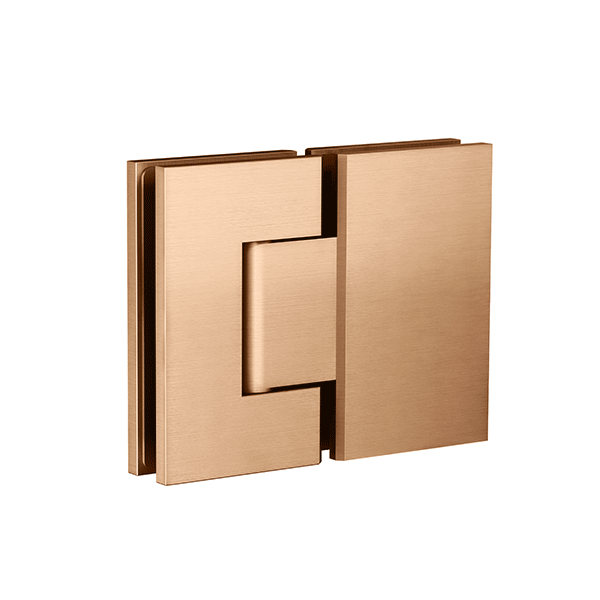
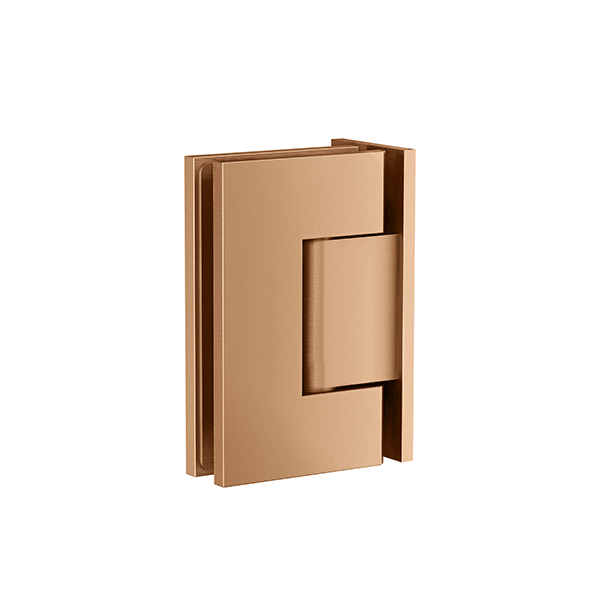
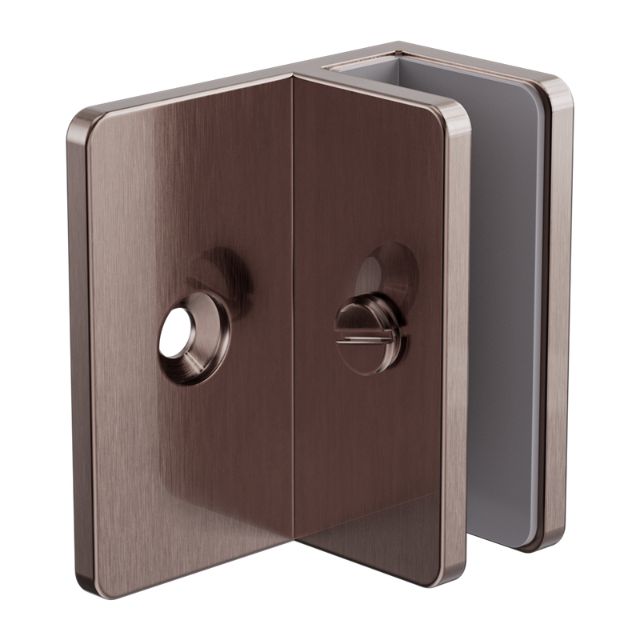
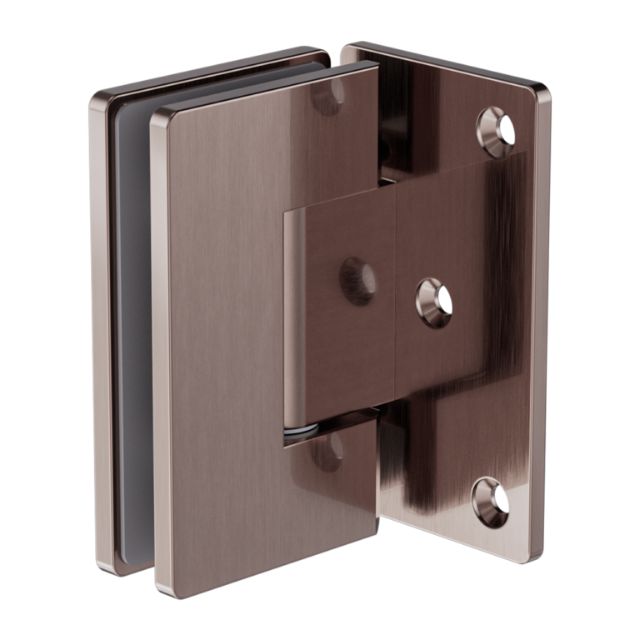
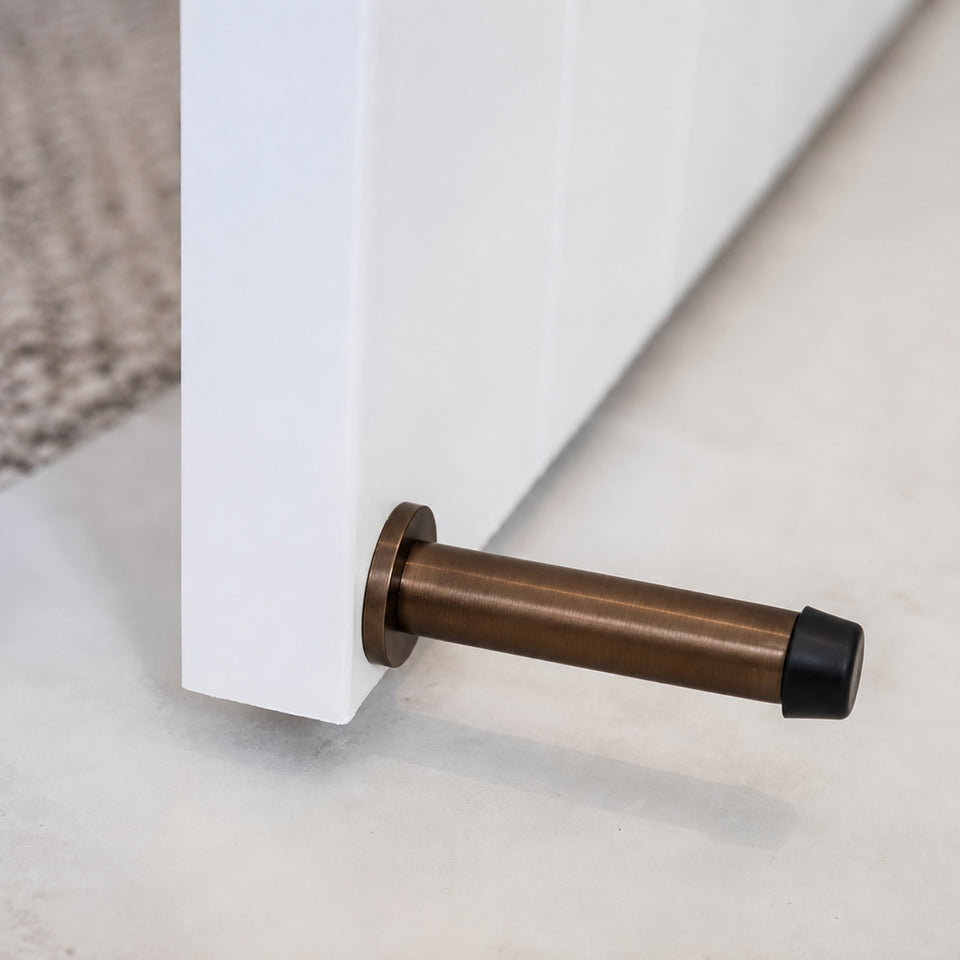
Lockwood's Vivid range in satin bronze spans passage, privacy and dummy lever sets, alongside flush pulls, cavity slider hardware, hinges, edge pulls and door stops, a genuinely complete system for finishing a door in one coordinated finish. Meir's lustre bronze range covers shower door handles, hinges and door stops. Nero and Caroma both offer brushed bronze shower hardware, brackets, hinges and knobs. Lane's Bala range brings antique bronze dummy and entrance knob sets, Zanda's Vertex privacy lever set and cavity sliding kit come in ember bronze, and Momo Handles' Bellevue plain door pull, at 496mm, suits a genuine statement entrance.
Hinges and door stops are worth matching to the handle finish specifically, since a visible chrome hinge or stop against a bronze handle undercuts an otherwise considered result. Sourcing hinges, stops and handles from the same range keeps the finished door reading as one deliberate choice.
A soft, dry cloth is usually all a living bronze finish needs, letting it age naturally as intended. For a more thorough clean, warm water with a mild, pH-neutral soap works well, followed by a thorough dry to prevent water spots. Harsh chemicals, abrasive cleaners and polishes should be avoided entirely, since they can strip the finish and disrupt the patina.
Matching new bronze hardware to an existing piece can be genuinely difficult, since different brands use their own tones for terms like "aged" or "rubbed" bronze, and an existing living finish reflects its own specific history of use. Sourcing all hardware for one area from the same manufacturer and collection at the same time gives the most reliable match; otherwise, aiming for a coordinated rather than identical look, similar undertones and styling, is the more realistic approach.
A living finish means the bronze is unlacquered and designed to change over time as it reacts with air and the oils from hands. What starts as a specific tone will develop a unique pattern of lighter and darker areas with use, a genuinely desirable, one-of-a-kind character rather than a defect.
A polished, unlacquered bronze starts bright and rosy-gold, gradually darkening into a rich, warm patina with handling. Aged or oil-rubbed finishes are chemically treated to start already darker, and lighten at points of frequent contact to reveal warm bronze highlights beneath. Both are living finishes, just with different starting points and directions of change.
It can be genuinely challenging, since manufacturing processes, finishing techniques and each piece's own ageing history all vary. The most reliable approach is sourcing all hardware for an area from the same manufacturer and collection at once, or accepting a coordinated rather than perfectly matched result.
A door handle set typically includes the lever handles for both sides of the door, a rose or backplate, a spindle connecting them, and fixing screws, with some sets including a latch or lock mechanism. Australian door handles must comply with AS 4145 for security and durability.
A lever handle is operated by pressing down on an elongated arm, genuinely more accessible than a knob's grip-and-turn motion for anyone with limited hand strength, and is recommended under the Disability Discrimination Act for accessible homes.
An entrance handle set is designed specifically for a front or entry door, including a keyed cylinder lock for external security, and must be rated for external use with a weather-resistant finish suited to ongoing exposure to the elements.
A dummy handle is a non-functional lever or knob, fitted purely for visual symmetry on a door that doesn't need a latch, a wardrobe door, or the fixed side of a pair of double doors.
Bronze door handles are easiest to choose once a consistent finish direction is settled across the home, since matching passage, privacy and entrance hardware, along with hinges and door stops, keeps every room reading as one considered design. The Blue Space's Cabinet Handles and Exterior Door Hardware collections are worth reviewing alongside a bronze handle selection to plan the full home together.


