
*View accurate shipping rates and availability






11 Items
Spend over $800 and receive free gifts in your cart. Towels, accessories and full length mirrors!
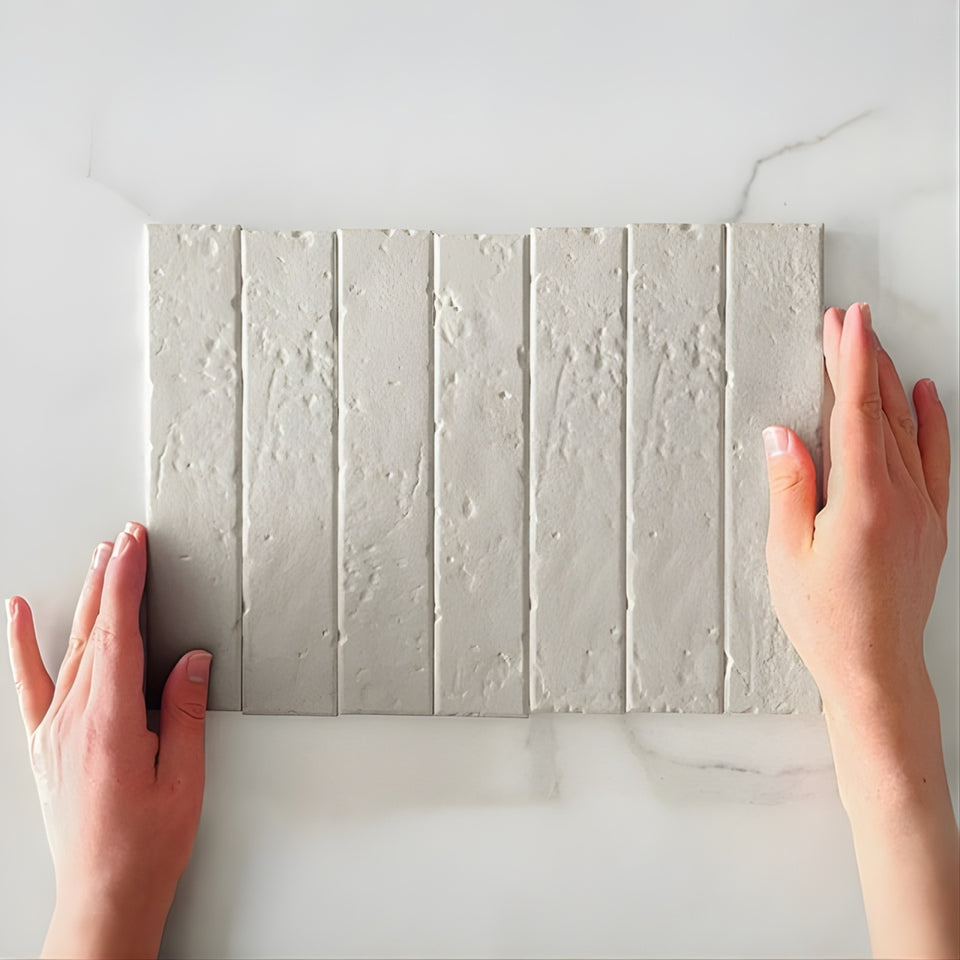
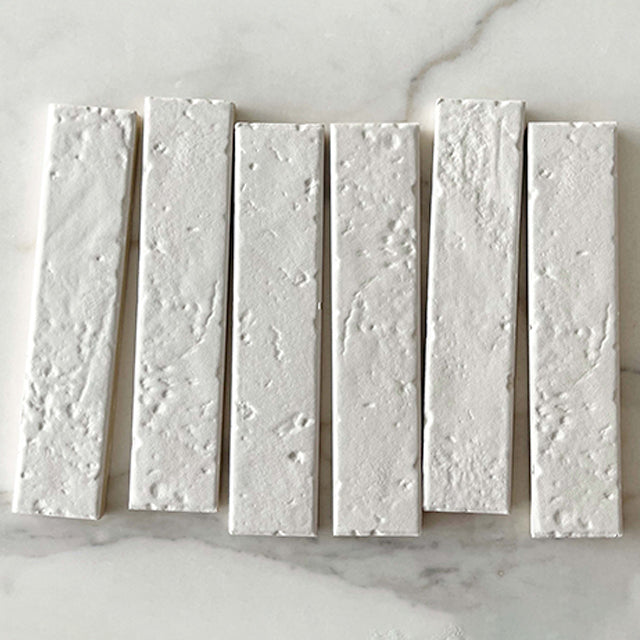

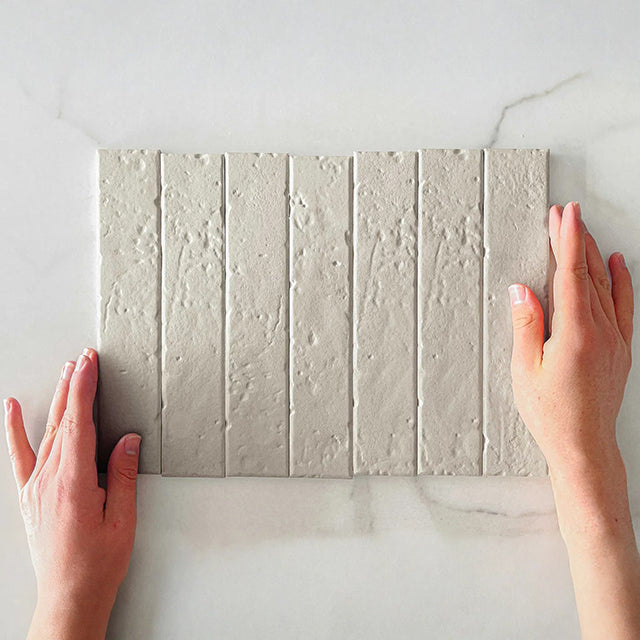
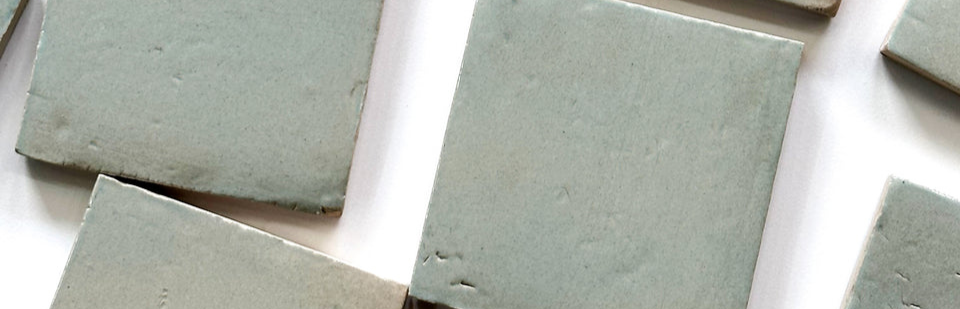
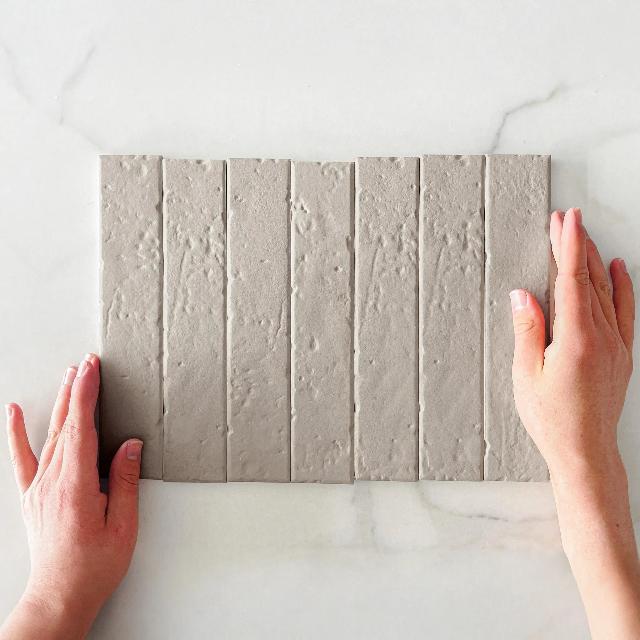
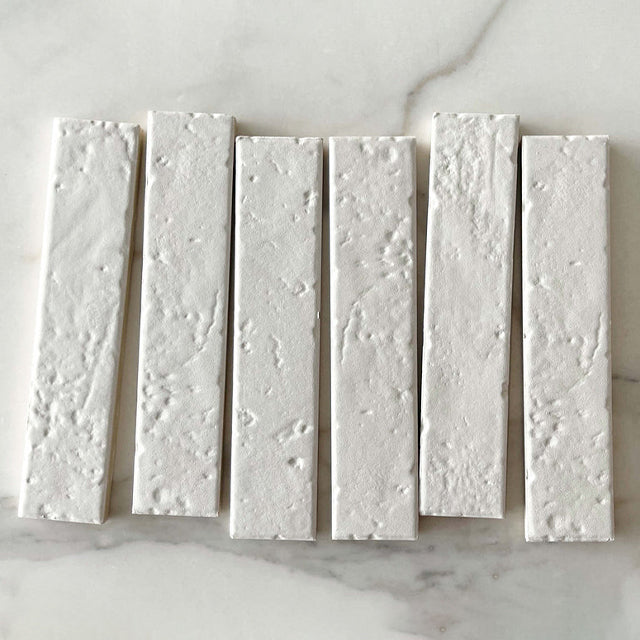
Brick look tiles let a genuinely industrial or heritage-inspired aesthetic be brought into a kitchen, bathroom or living space without laying actual brick, giving the same considered texture and shadow-play with a fraction of the installation complexity.
Every tile in this collection is built in porcelain, fired at high temperatures to produce a dense, genuinely hard-wearing surface. This gives brick look tiles considerably more consistency and durability than reclaimed or genuine brick, along with real resistance to moisture, making the look viable in a wet area that raw brick simply couldn't handle without extensive sealing.
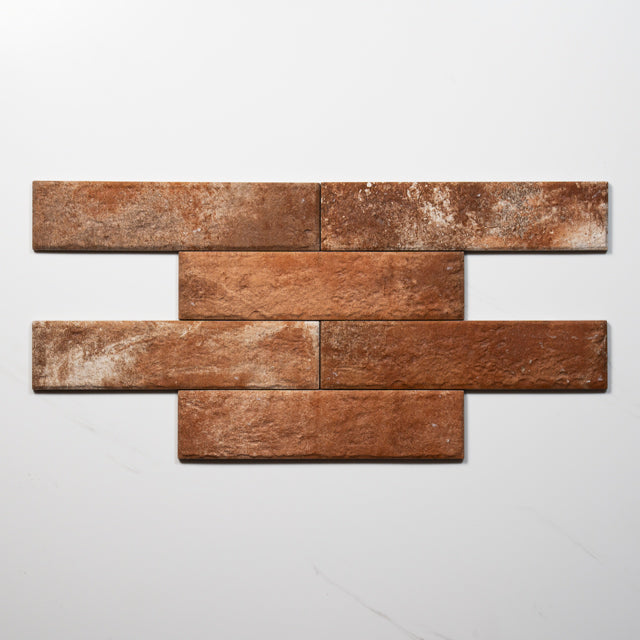
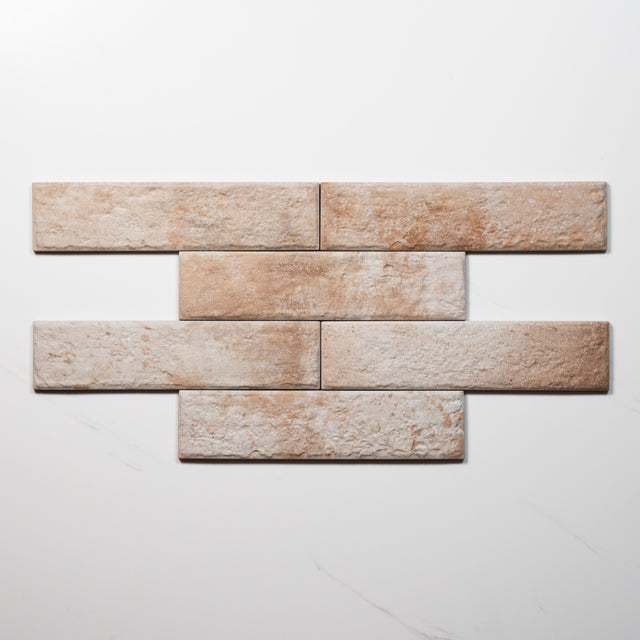
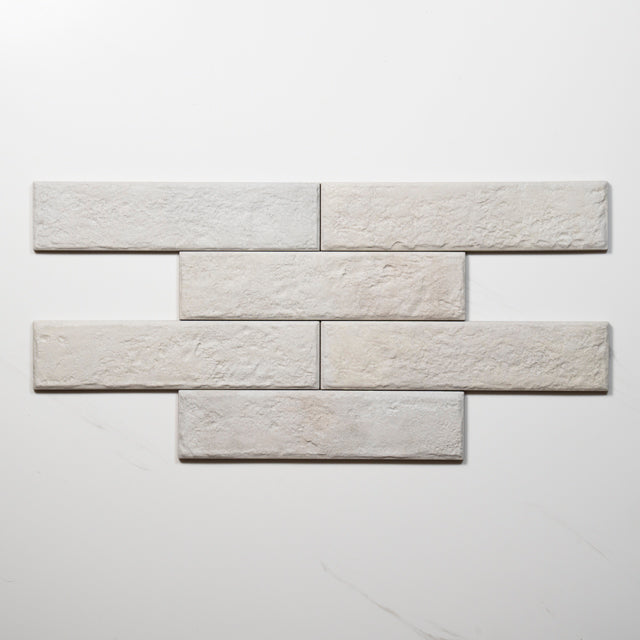
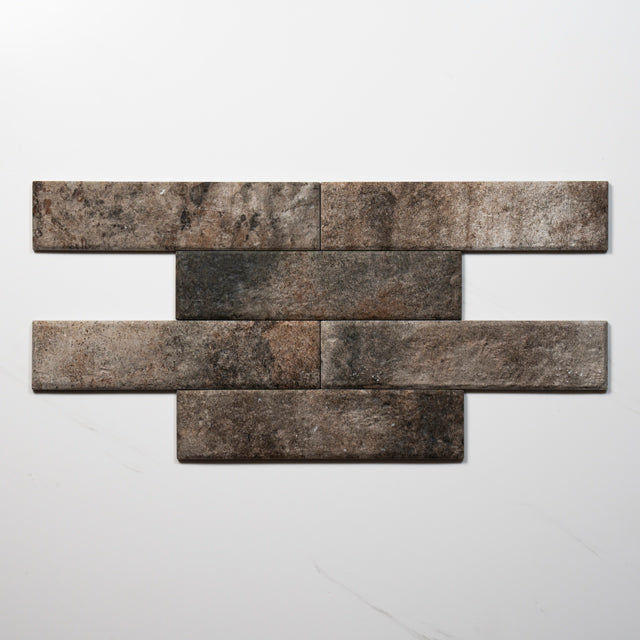
This collection spans beige, black, grey, terracotta and white, letting the classic warm red-brick look be swapped for a cooler, more contemporary grey or black, or kept genuinely close to traditional terracotta tones.
A kitchen splashback in brick look tiles brings genuine textural warmth behind the cooktop, particularly effective against timber or matte black cabinetry. A bathroom feature wall suits the format well, especially in a black or grey tone paired with matte tapware. A living area or hallway feature wall in brick look tiles gives a room a genuine industrial or loft-style character without the cost and structural implications of exposing real brick.
Brick look tiles are laid with standard tiling methods, typically in the classic offset (brick bond) pattern the format takes its name from, though a stacked or herringbone layout is also possible for a different visual effect. Because the tiles are porcelain rather than genuine masonry, cleaning is genuinely straightforward, a pH-neutral cleaner and regular sweeping or wiping being all that's usually required.
Brick look tiles are porcelain, replicating brick's proportions, texture and colour variation without the weight, cost or structural requirements of genuine brickwork. Porcelain is also considerably more water-resistant than raw brick, making it suitable for a kitchen splashback or bathroom wall where real brick would need extensive sealing.
Yes. Because they're made from porcelain rather than genuine brick, they resist moisture well, making them a practical choice for a bathroom feature wall or splashback. Checking the specific tile's slip resistance rating matters if it's intended for a floor application in a wet area.
The classic offset (brick bond) pattern is the most traditional choice, staggering each row by half a tile length to echo genuine brickwork. A stacked, non-offset layout gives a cleaner, more contemporary look, while a herringbone layout brings genuine movement and pattern to a feature wall.
Brick look tiles are easiest to select once the room's other fixtures, cabinetry or tapware, are settled, since colour and finish should complement those choices rather than being decided in isolation. Browse the full tiles collection for complementary formats and finishes to pair with a brick look selection.


