
*View accurate shipping rates and availability






206 Items
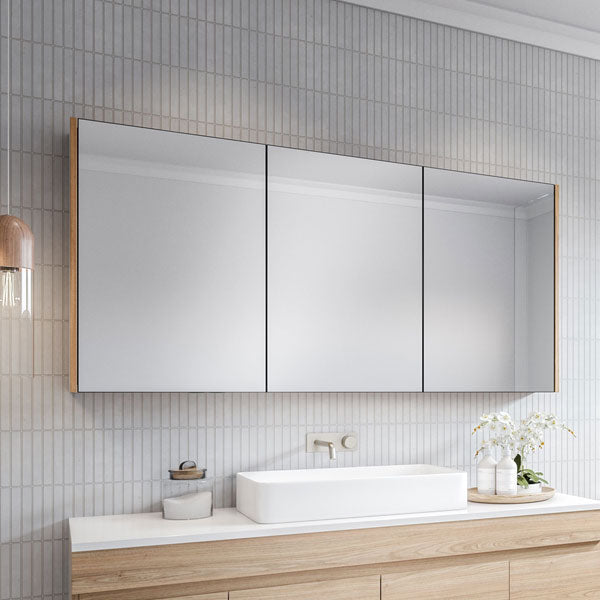
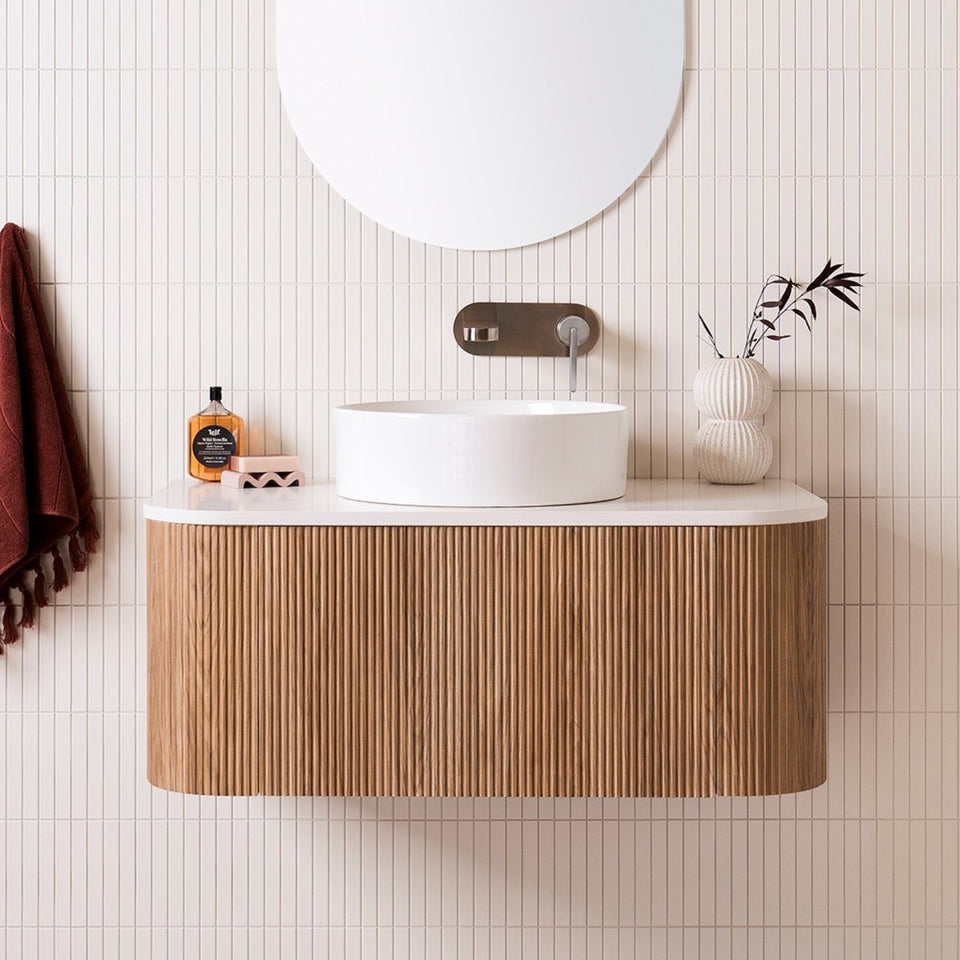
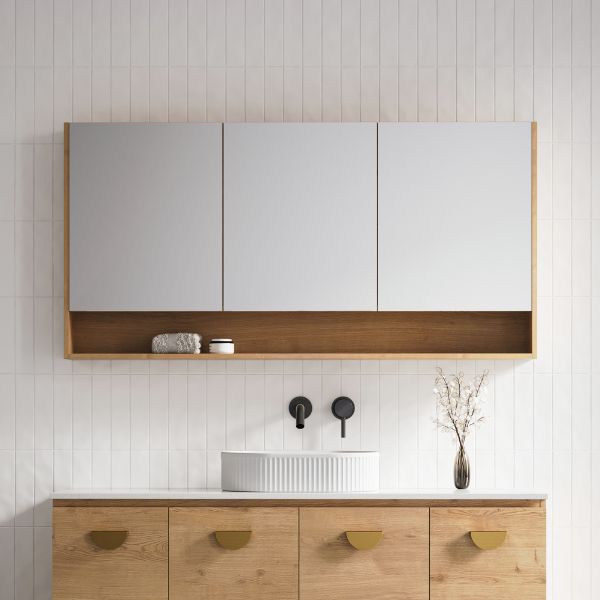
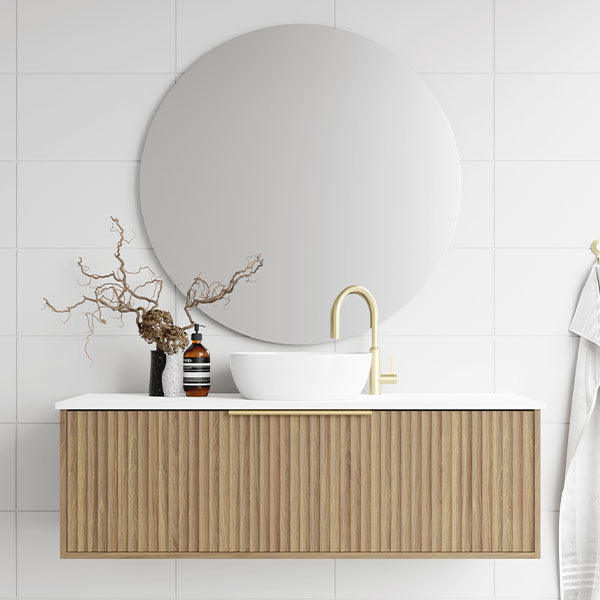
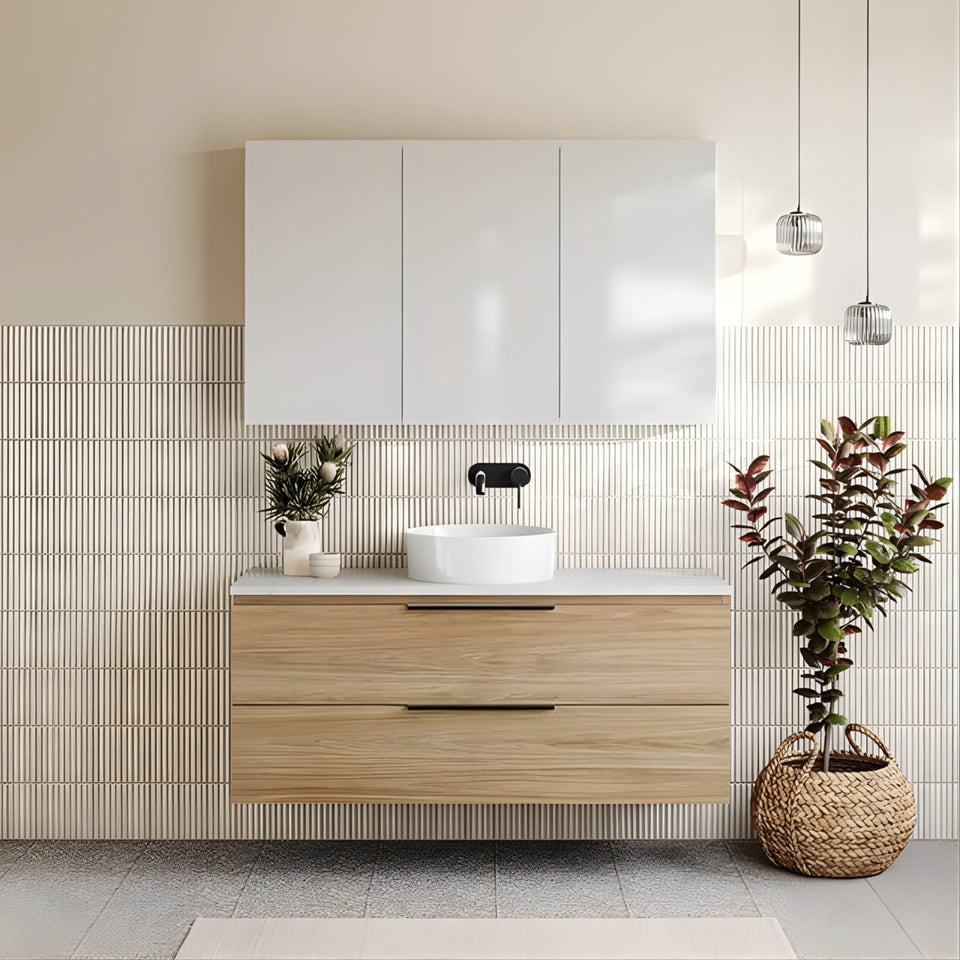
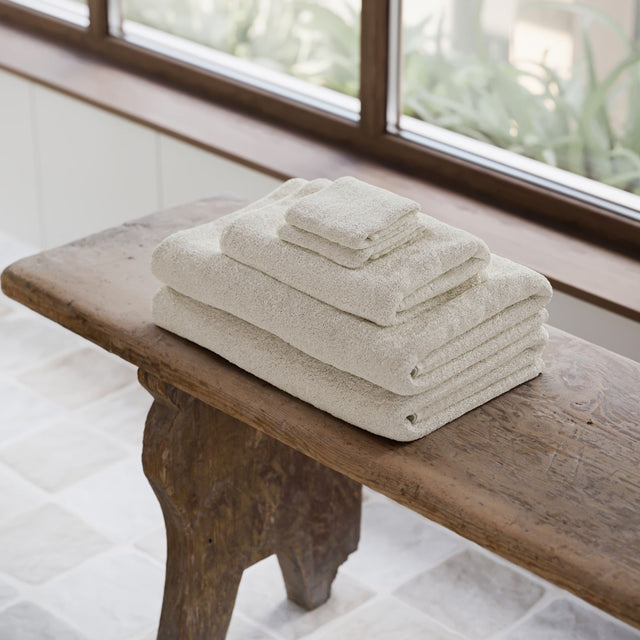
Spend over $800 and receive free gifts in your cart. Towels, accessories and full length mirrors!
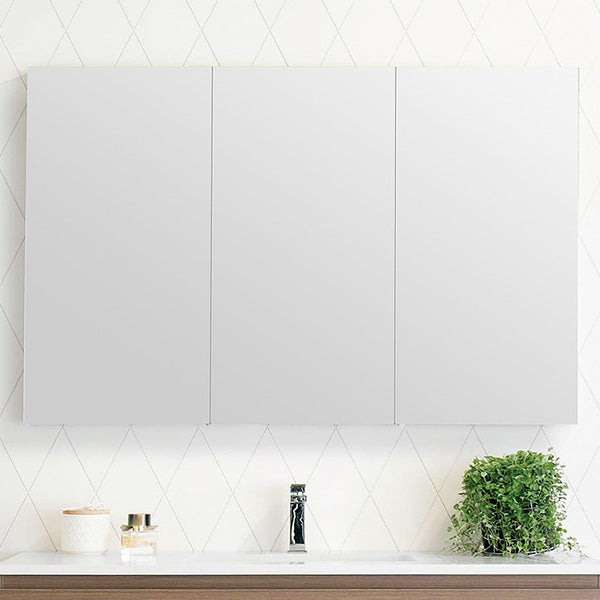
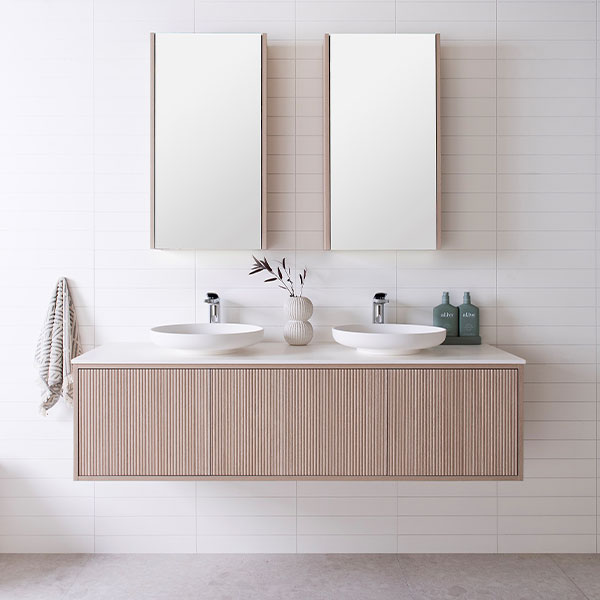
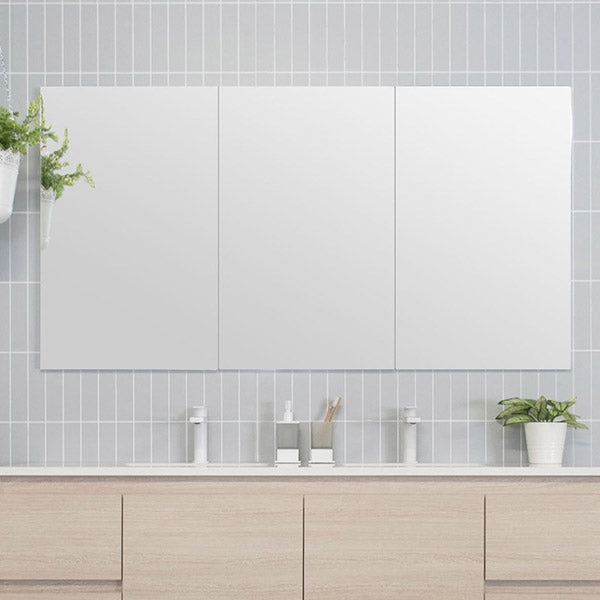
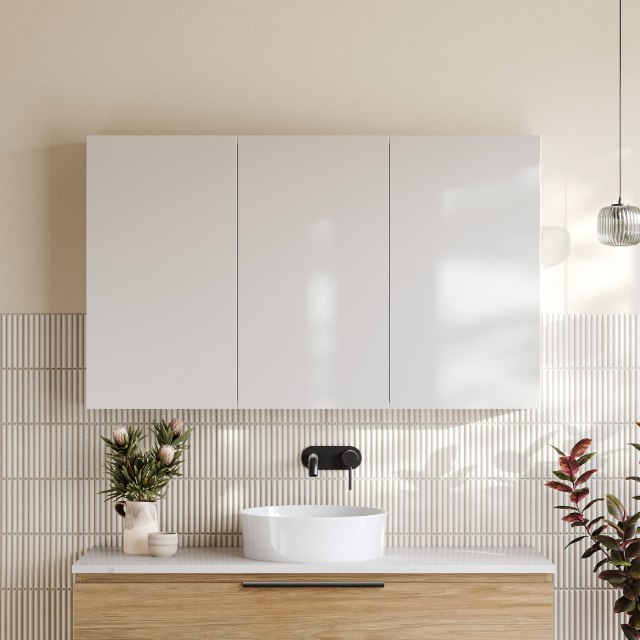
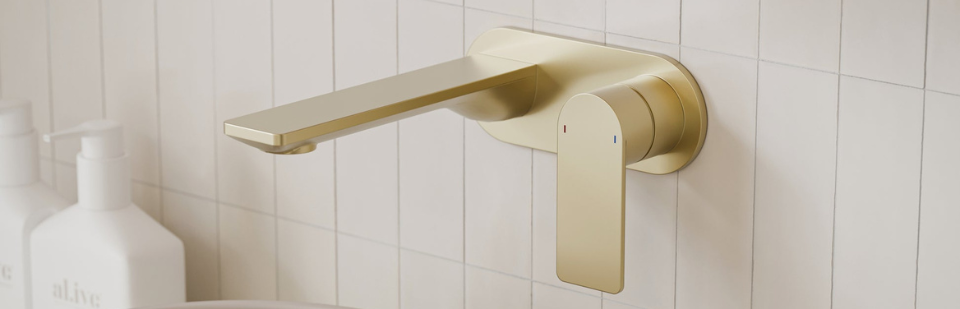
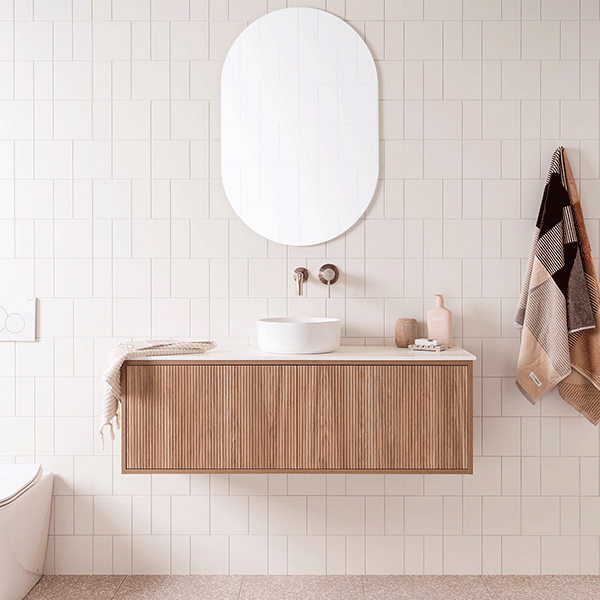
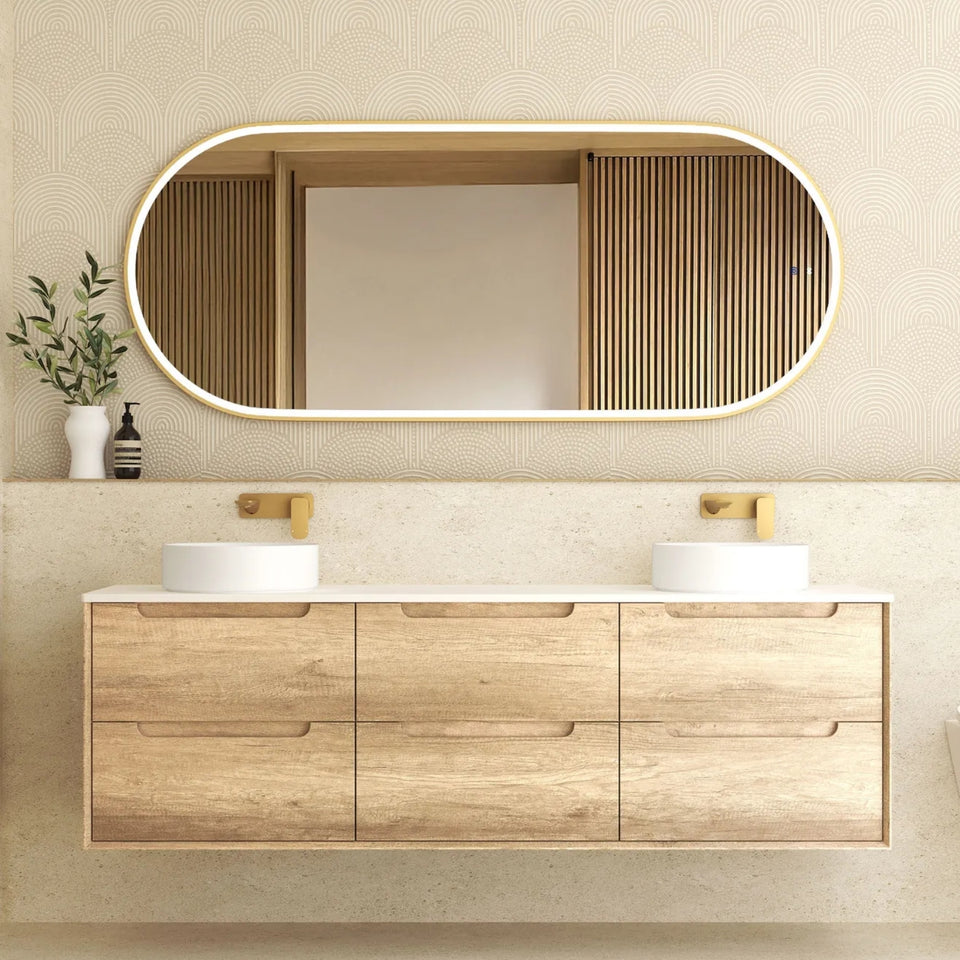
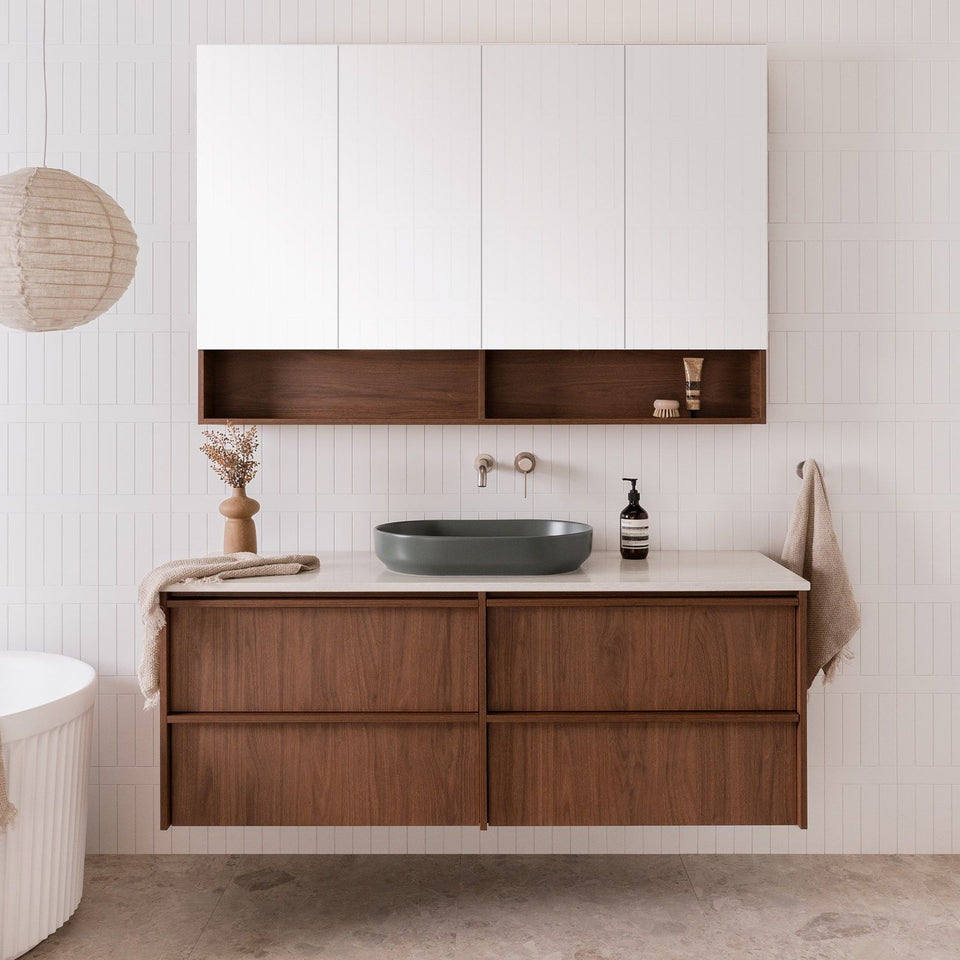
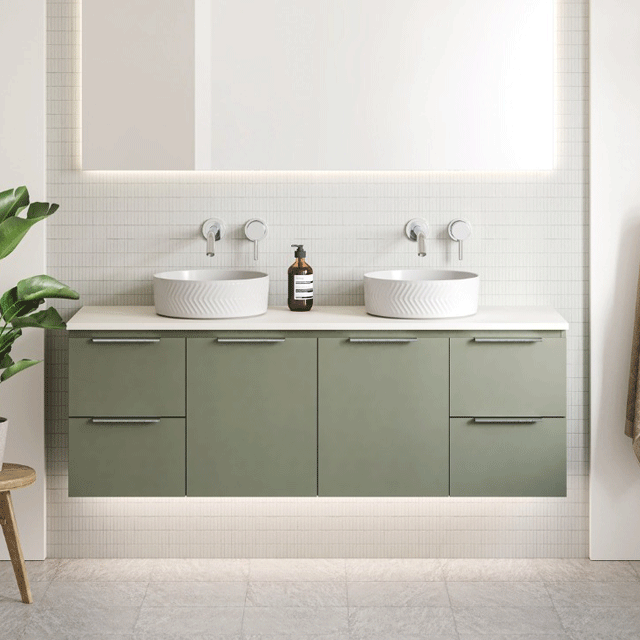
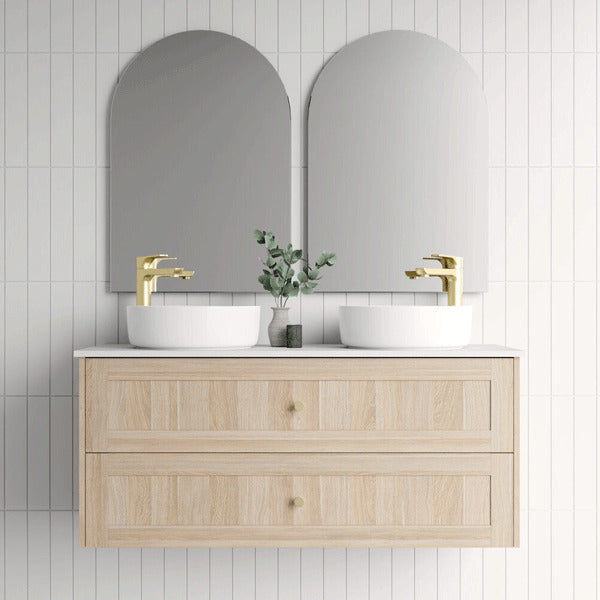
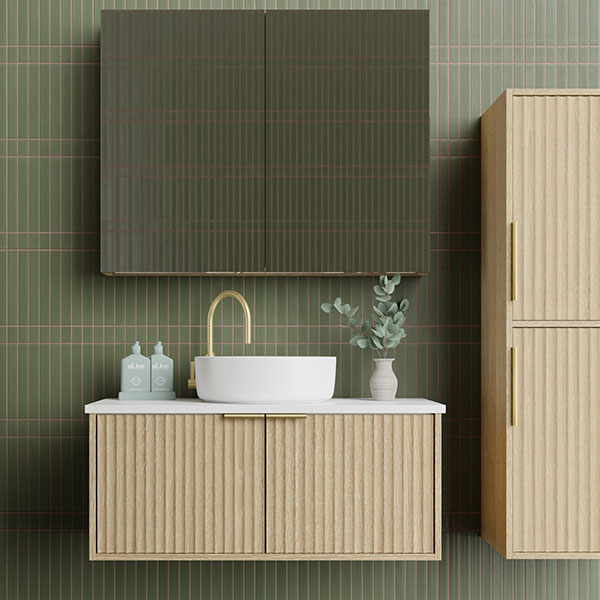
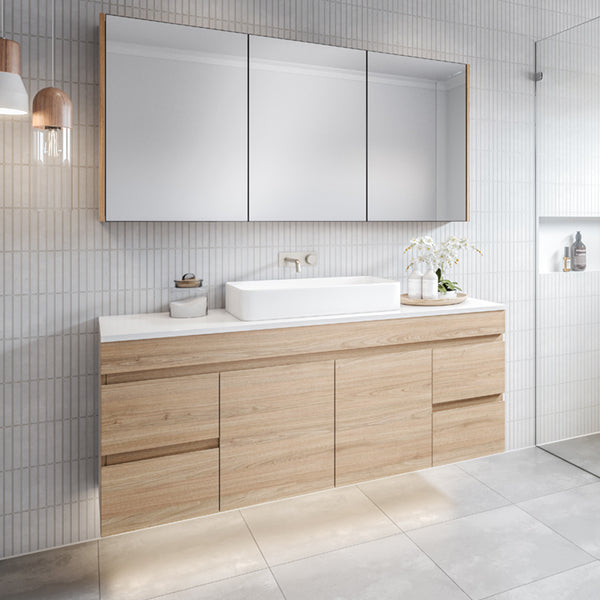
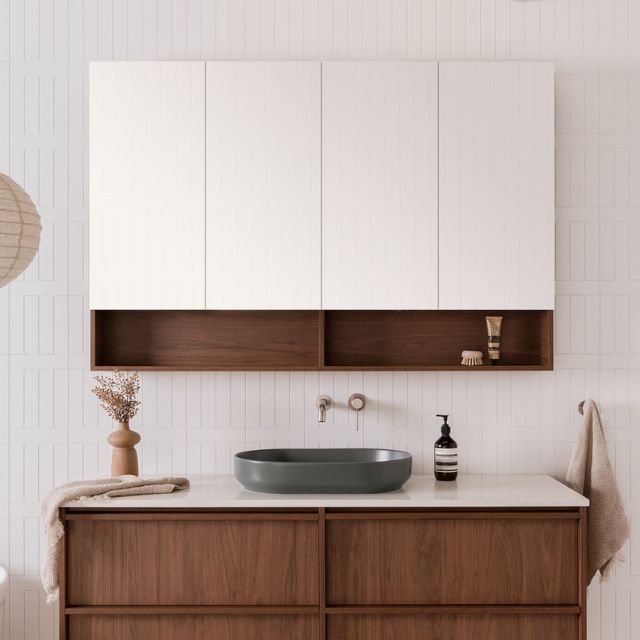
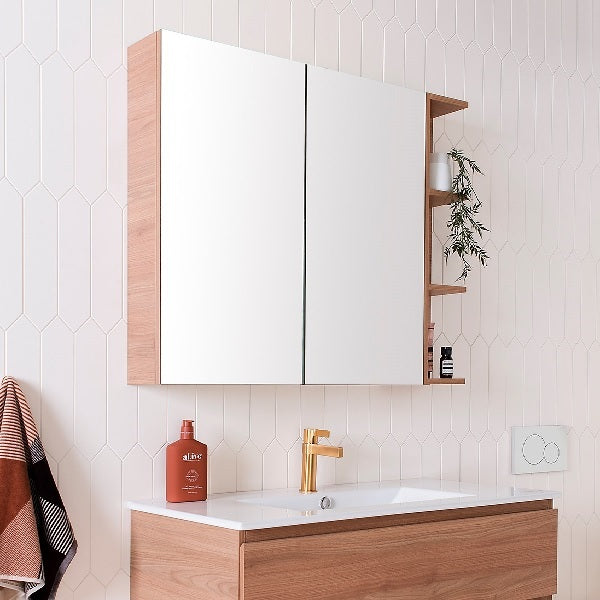
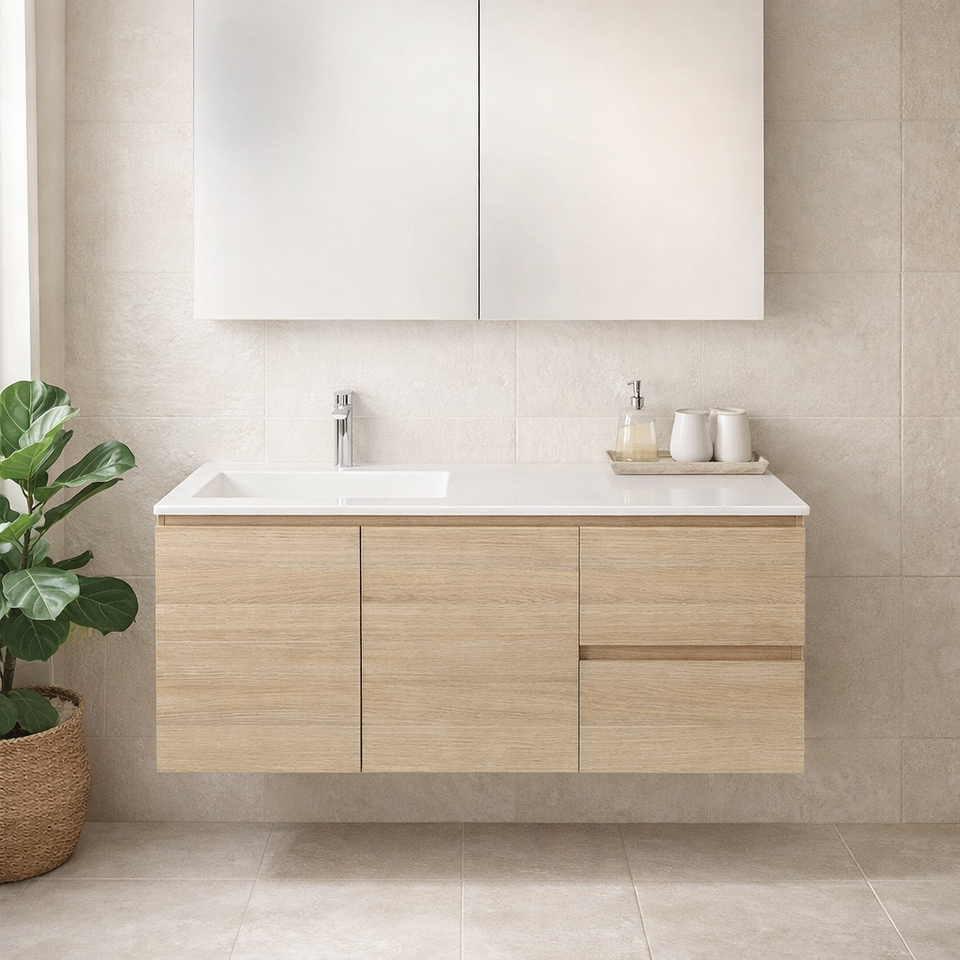
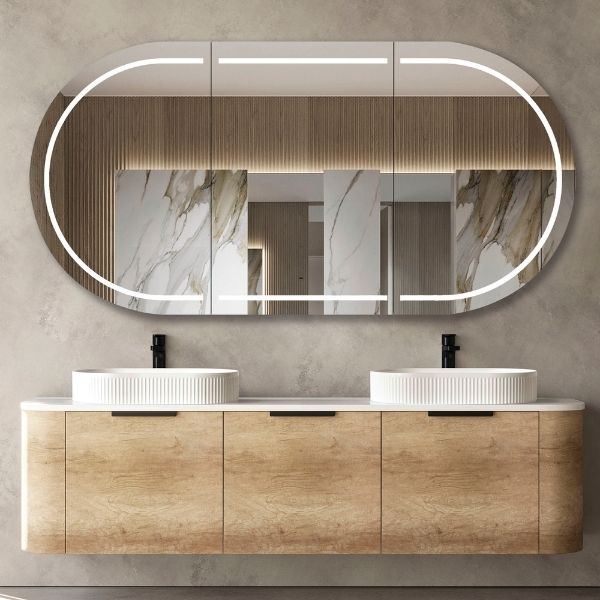
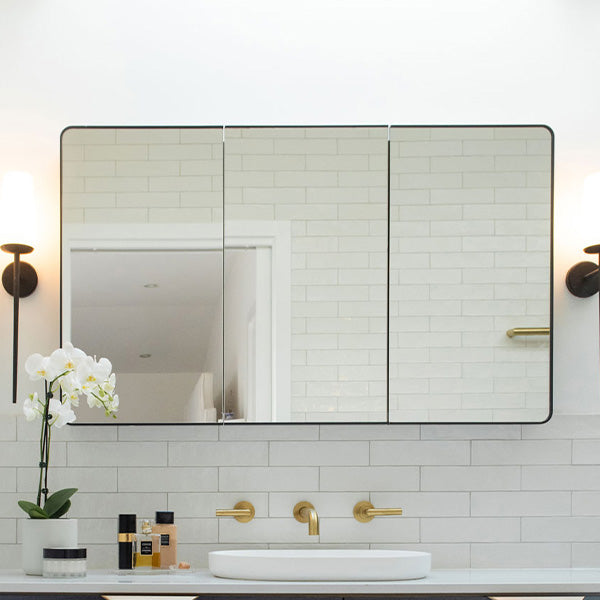
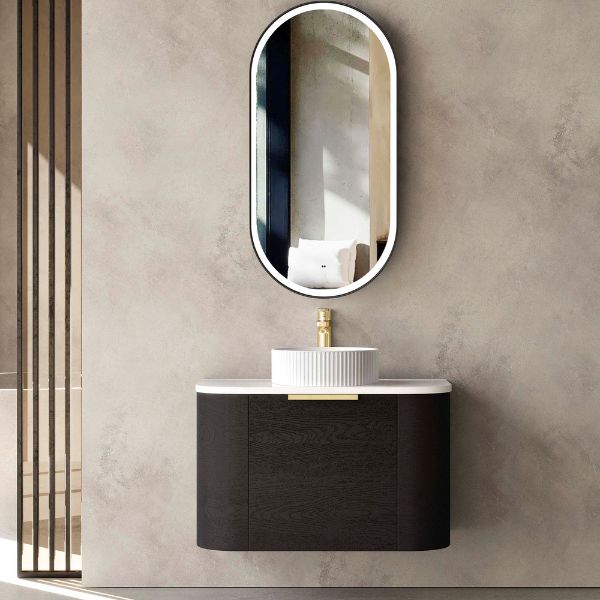
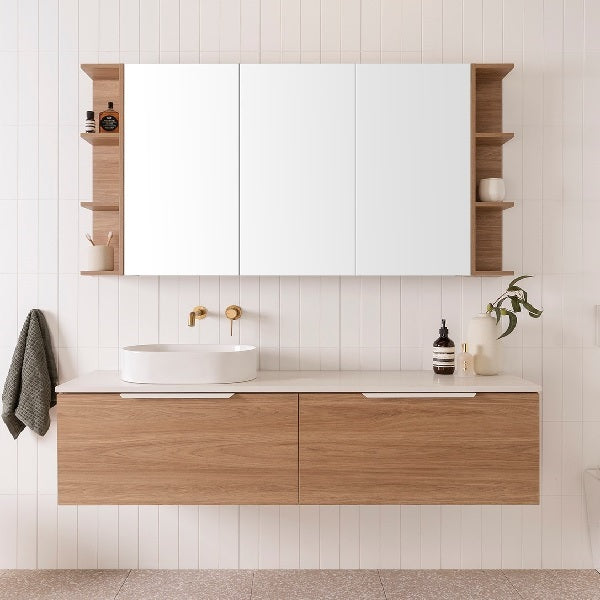
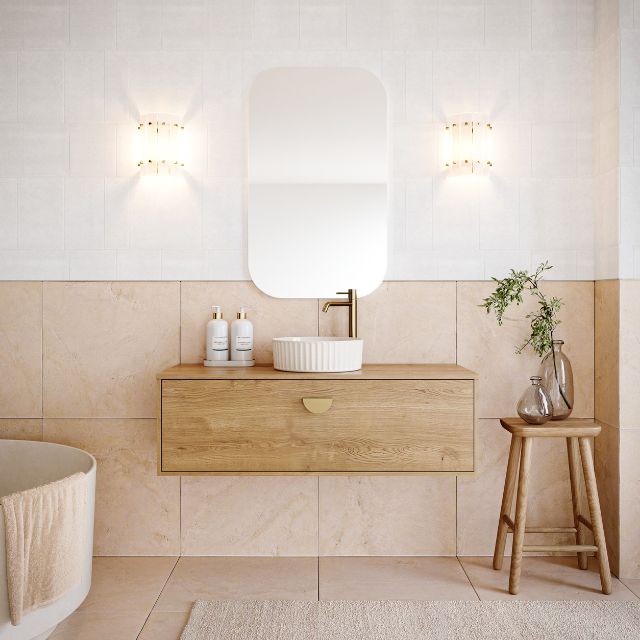
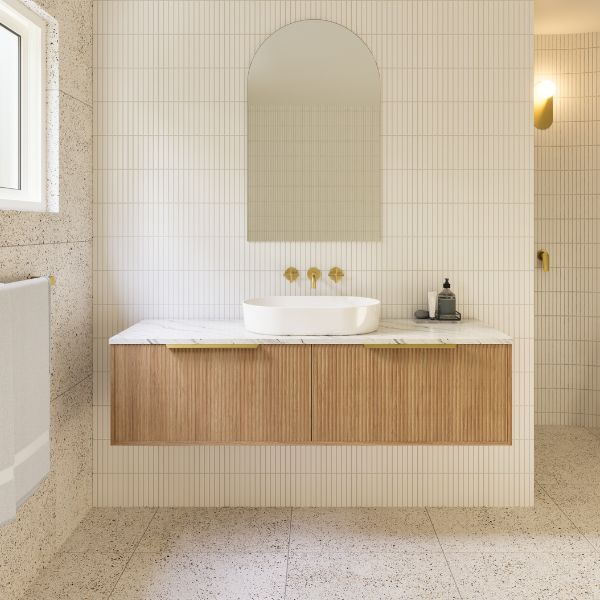
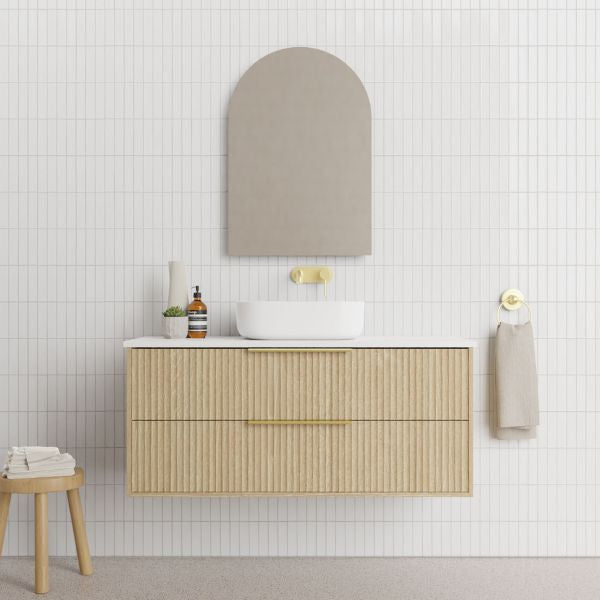
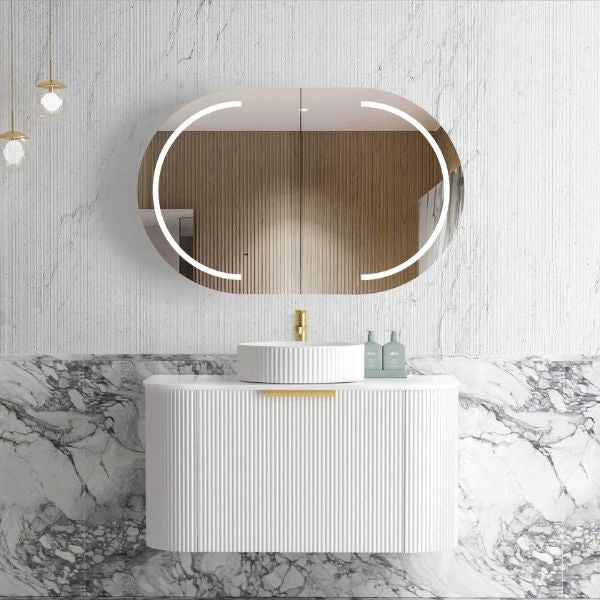
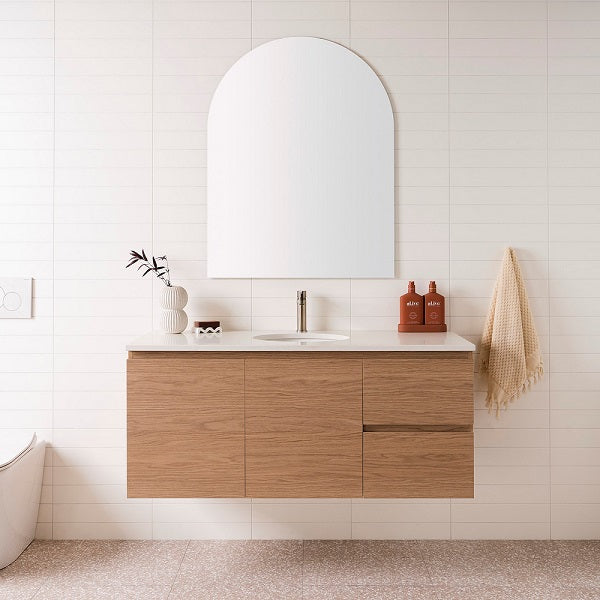
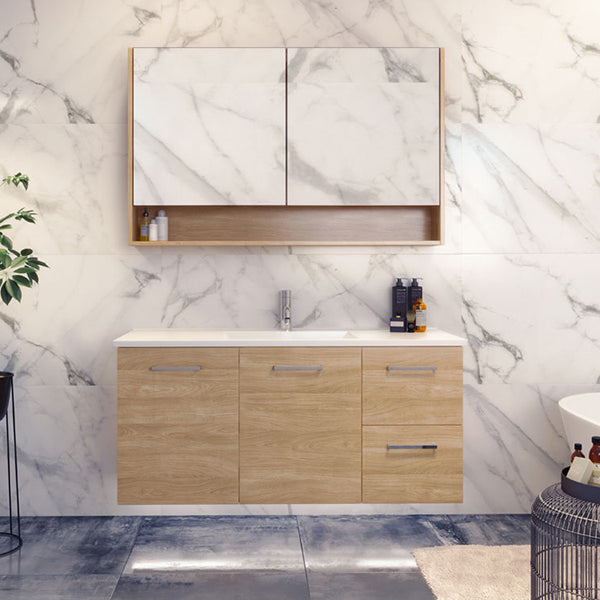
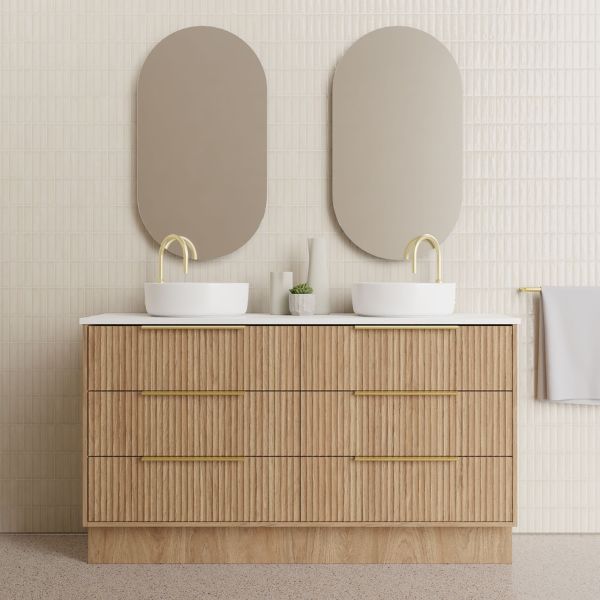
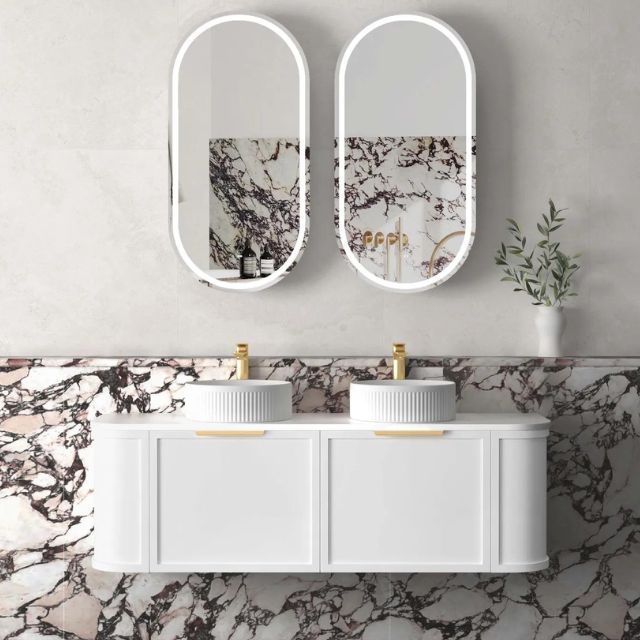
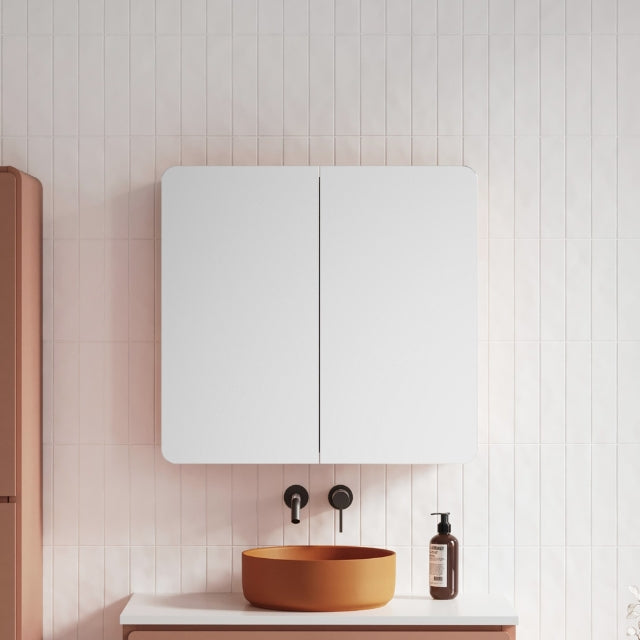
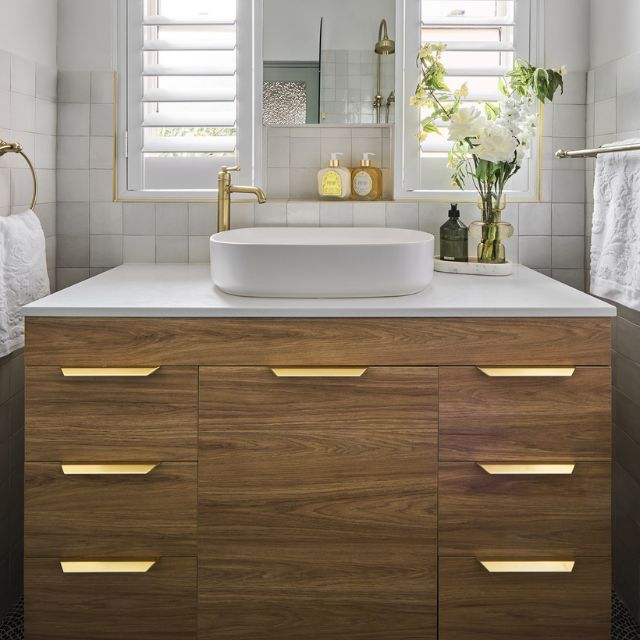
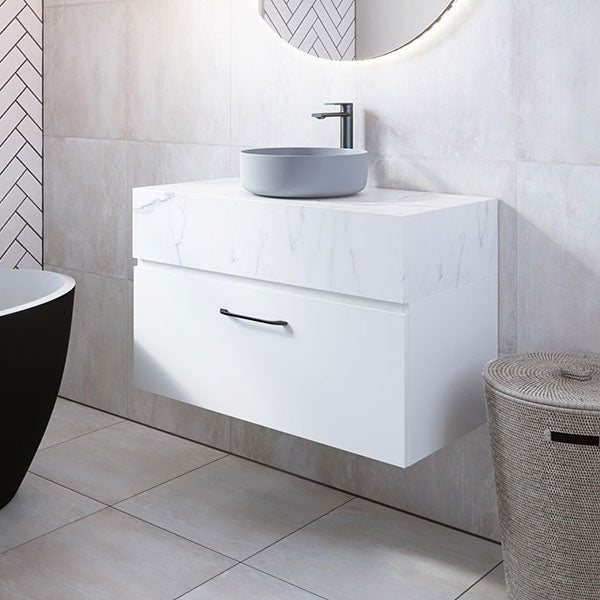
Filling a large, blank bathroom wall with a small vanity and a separate cabinet often leaves a room feeling disjointed rather than complete. An 1800mm vanity solves this directly, giving a bathroom a single, considered piece of furniture substantial enough to genuinely anchor the space.
An 1800mm vanity is a bathroom cabinet and basin unit measuring 1.8 metres across, a genuinely serious piece of furniture rather than a purely functional fitting. At this size, the vanity becomes the room's clear centrepiece, shifting a bathroom from simply functional toward something that reads as a considered, spacious retreat.
Master ensuites with a genuinely long wall, 2.5 to 3 metres or more, are the classic home for this size, particularly for a double-basin configuration giving each person their own basin, drawers and mirror space, removing the need to share a single sink during a busy morning.
Family bathrooms benefit from the storage this size delivers just as much as the basin configuration, with genuine drawer and cabinet space to keep sunscreen, bath toys, first-aid supplies and towels properly contained rather than scattered across the benchtop.
Larger powder rooms can use an 1800mm vanity to make a genuine design statement: a long, floating slimline vanity with a single offset basin at one end, and a considerable stretch of clear bench space beyond it, gives a small room genuine drama and presence.
Wall-hung (floating) vanities mount directly to the wall, leaving the floor beneath fully visible. This helps a room feel larger, since the eye reads the floor tiling running continuously underneath, and considerably simplifies cleaning, since there's no cabinet base for dust to collect around. At 1800mm specifically, a floating configuration also helps prevent such a large piece from feeling visually heavy in the room. The wall itself needs to be genuinely strong enough to support the weight, with solid stud fixing points essential, a detail a builder will confirm during planning.
Floor-standing vanities sit directly on the floor, generally offering more storage volume since the cabinet extends the full height to the ground, often finished with a kickboard base. Current designs move well beyond a plain box, with elegant legs giving a genuine freestanding furniture feel suited to a Hamptons-style bathroom; Turner Hastings is a strong reference point for this look specifically. This configuration also fully conceals existing floor-based plumbing.
A large ensuite doesn't always mean a genuinely wide room, and a long but narrow layout needs particular care. A slimline vanity addresses this directly, keeping the full 1800mm width while reducing front-to-back depth, preserving valuable walkway space without sacrificing the size's storage benefits.
Fluted and reeded vanities bring vertical grooves that add genuine texture, shadow and architectural detail, particularly striking across an 1800mm width where the fluting creates real visual rhythm along the wall. ADP and Marquis both offer strong options in this style, available across a range of colours from soft white through to deep forest green or terracotta.
Curved vanities soften a bathroom otherwise built from hard lines, tile, glass and mirrors among them, giving a gentler, more considered feel while also removing sharp corners that are easy to bump into.
Solid timber vanities bring genuine warmth into a room that can otherwise feel cold from surrounding tile and porcelain, and at 1800mm, a solid timber piece reads as genuinely substantial furniture rather than a purely functional cabinet. Ingrain is a strong reference point for quality solid timber pieces built to last.
Classic white remains a dependable, versatile default, bright without overwhelming the room even at this larger size, and compatible with almost any surrounding tile or tapware. Both gloss and matte finishes are available depending on the desired sheen.
Substantial storage is the standout advantage: deep drawers and wide cabinets give genuine, dedicated space for hairdryers, straighteners, spare supplies and towels, keeping the benchtop clear and the room feeling considerably calmer.
A genuine double-basin configuration becomes comfortable at this width, giving each person their own basin, tap and bench space, removing the daily friction of sharing a single sink during a busy morning.
Real, usable counter space remains even with two basins, genuine landing space for a makeup bag, shaver, hand soap or a small styling touch, without the benchtop feeling cluttered the moment something is set down.
Genuine presence rounds out the case for this size: in a larger bathroom, a smaller vanity can look lost or like an afterthought, while an 1800mm vanity has real weight and draws the eye, letting the rest of the room's fixtures, bath, shower and toilet, feel considered around it rather than competing for attention.
Tapware placement needs deciding early: bench-mounted taps are the standard, straightforward configuration, drilled directly into the benchtop or basin. Wall-mounted taps give a genuinely sleek, modern look and free up additional bench space, but the plumbing needs to be positioned inside the wall before tiling begins, an early-stage decision rather than one that can be added later.
Basin type affects both look and function. Above-counter basins sit as a bowl directly on the bench, making a genuine sculptural statement, though they need a tall vessel tap or wall-mounted tapware to reach over the raised lip. Undermount basins attach beneath the benchtop for a completely flat, seamless surface, genuinely easy to clean since everything wipes directly into the sink. Inset basins offer a semi-recessed middle ground, part of the bowl sitting above the bench, part dropping into the cabinet. An all-in-one moulded top, in acrylic, ceramic or concrete, combines basin and benchtop into a single seamless piece, generally the easiest configuration to keep clean and often a strong value option.
Plumbing needs confirming with a licensed plumber before finalising a vanity style. Whether the existing waste pipe runs through the wall (a P-trap) or up through the floor (an S-trap) determines whether a wall-hung vanity suits the setup directly, or whether a converter or a floor-standing vanity is the simpler option instead. Moving from a single to a double basin also means running a new water line for the second basin, worth discussing with a plumber well before the vanity arrives.
Wall strength matters considerably for a wall-hung configuration, since an 1800mm vanity, particularly in timber or with a stone top, carries genuine weight before it's even filled with everyday items. Fixing into the wall studs is essential, and additional noggins may be needed inside the wall cavity for full support, a job for a builder or installer rather than something to estimate.
Mirror and shaving cabinet sizing looks most balanced when matched to the vanity's scale: a single 1800mm mirror gives a grand, light-reflecting result, while two smaller mirrors, around 70cm to 80cm each, suit a double-basin configuration particularly well, giving genuine symmetry above each basin. A matching shaving cabinet at this width also gives substantial additional storage at eye level.
Lighting deserves genuine consideration at this scale, since a single central ceiling light won't adequately illuminate a vanity this wide, often casting shadows across the face at the mirror. Task lighting positioned directly over the vanity, pendant lights on either side, wall sconces beside the mirrors, or LED strip lighting integrated into a shaving cabinet, makes a considerable difference to both usability and the room's overall look.
Most 1800mm double-basin vanities use two basins in the 400mm to 500mm range each, leaving genuine bench space between and beside them. Confirming the specific basin dimensions against the vanity's benchtop layout before ordering avoids a mismatch in spacing.
It depends on the room's available wall length rather than the bathroom's overall size. A genuinely long, uninterrupted wall, generally 2.5 metres or more once door swing and other fixtures are accounted for, is needed to accommodate this size comfortably alongside adequate walkway space.
An 1800mm vanity is easiest to finalise once the basin configuration and tapware direction are settled, since these decisions interact directly with the vanity's final specification. The Blue Space's Basins and Basin Taps collections are worth reviewing alongside an 1800mm vanity selection to bring the full room together.


