
*View accurate shipping rates and availability






21 Items

Spend over $800 and receive free gifts in your cart. Towels, accessories and full length mirrors!
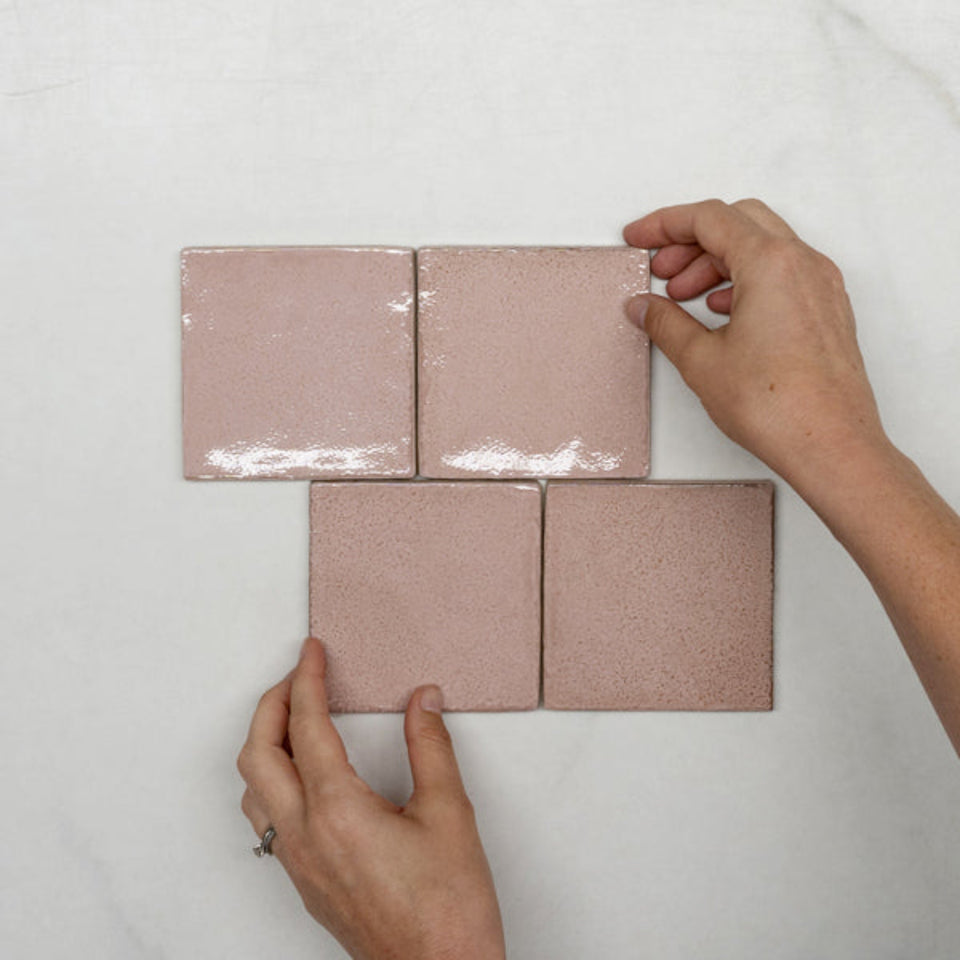
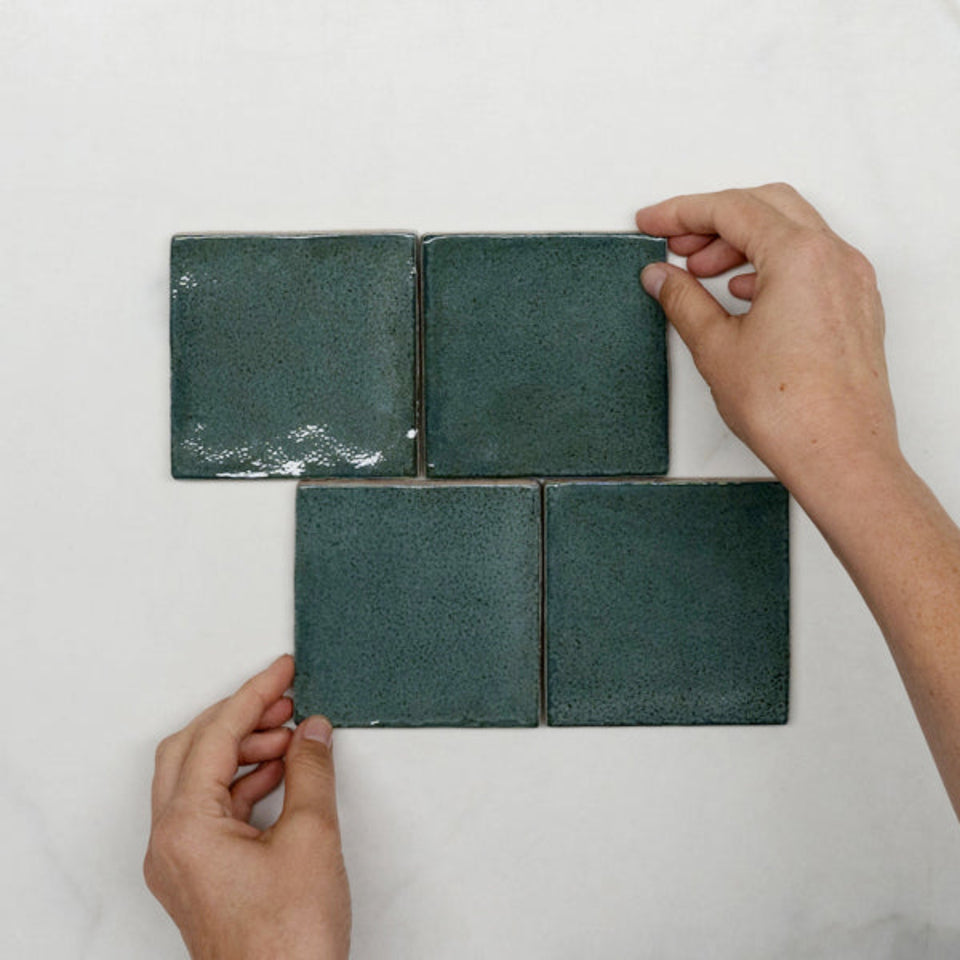
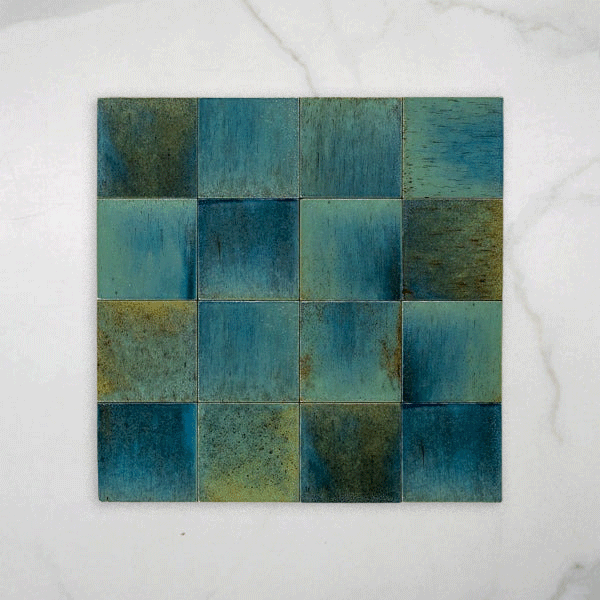
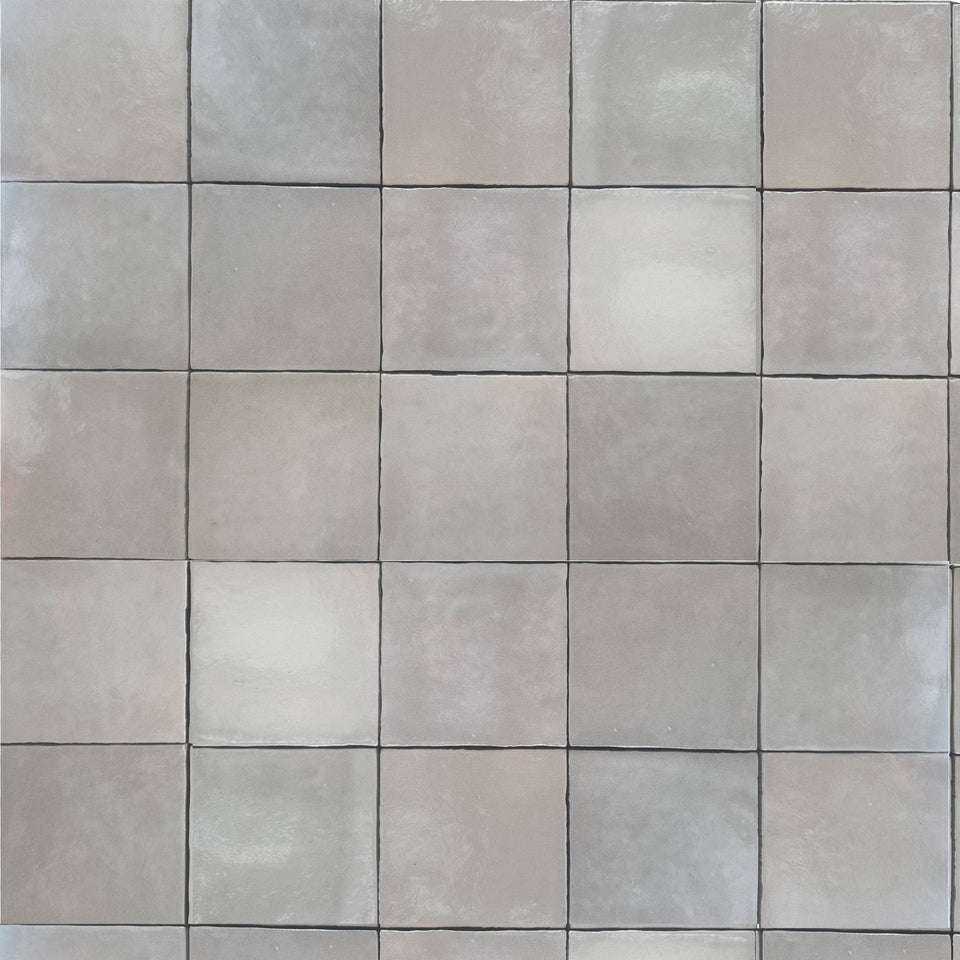
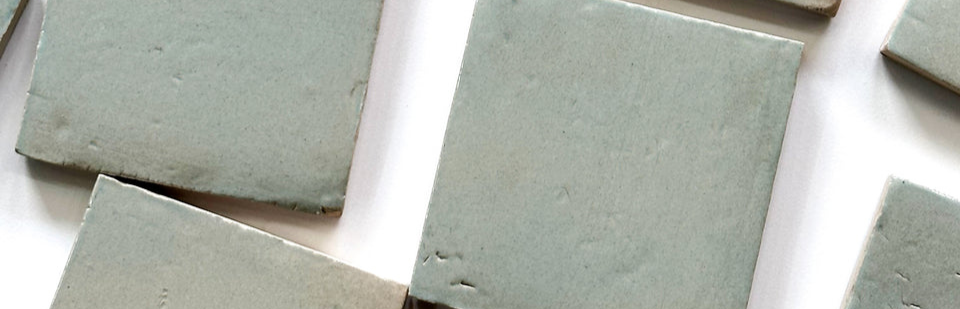
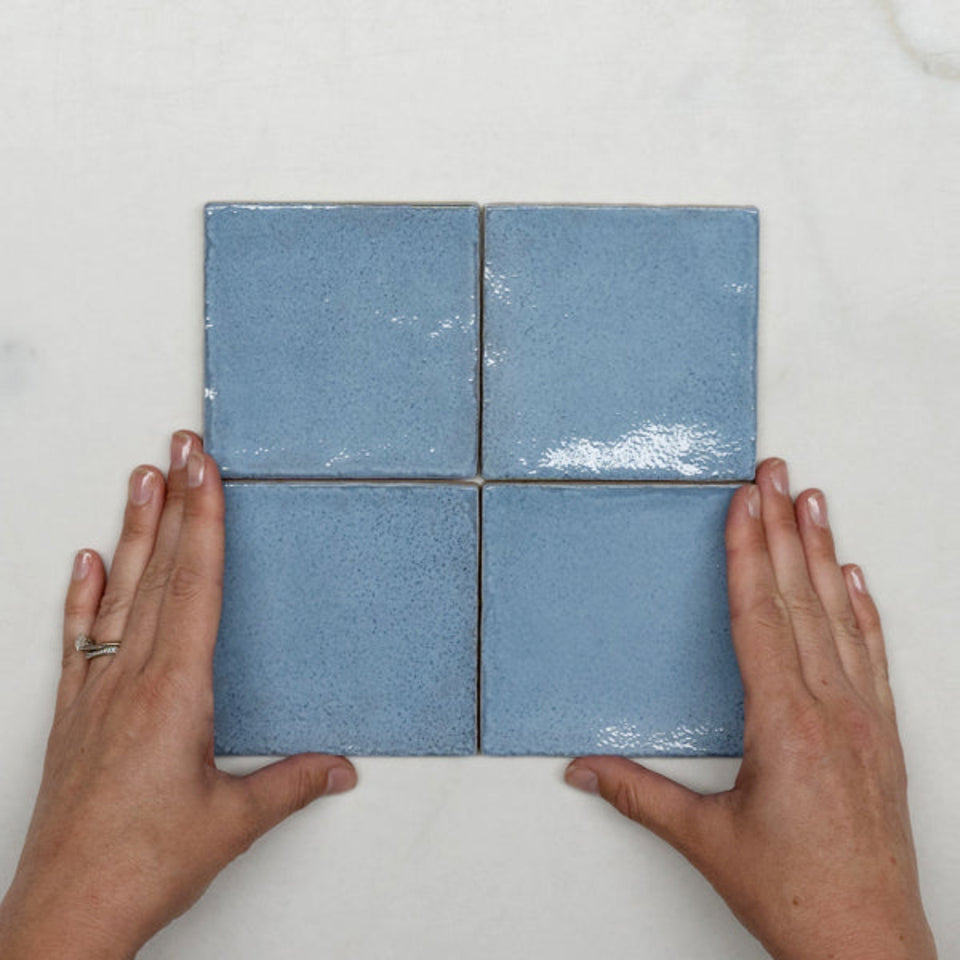
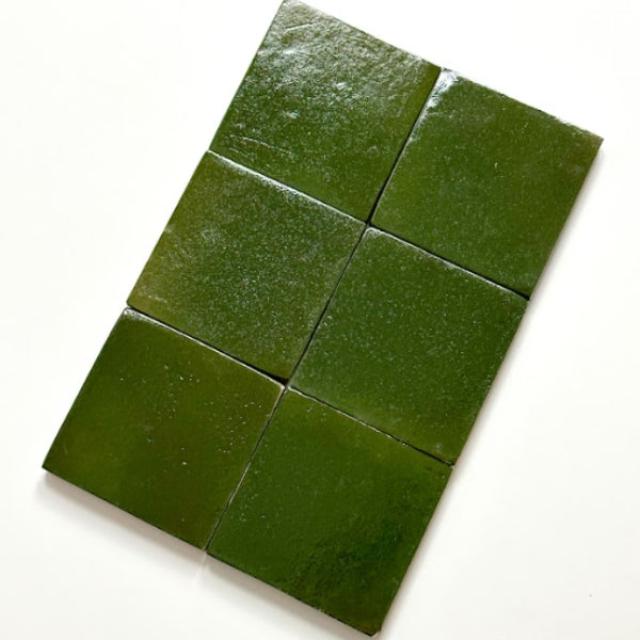
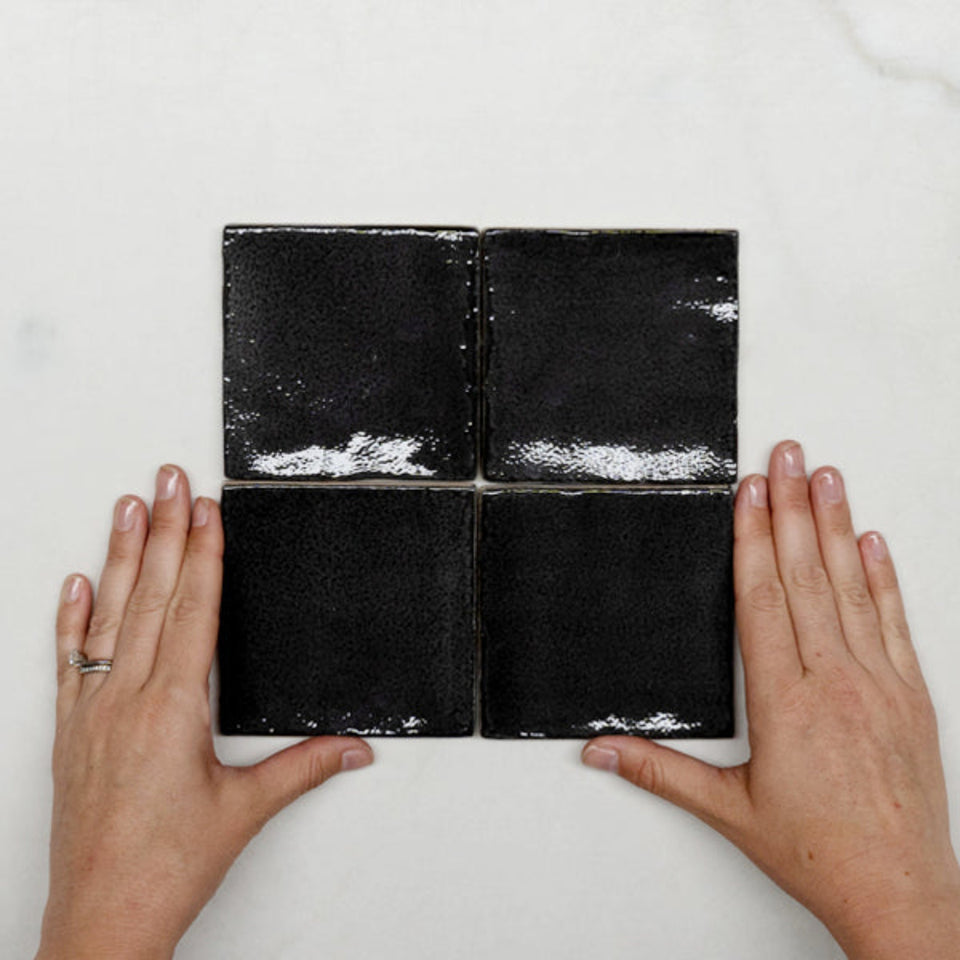
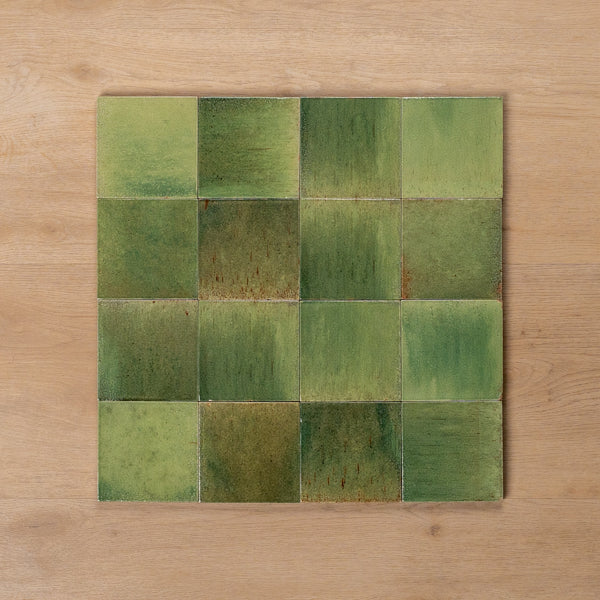
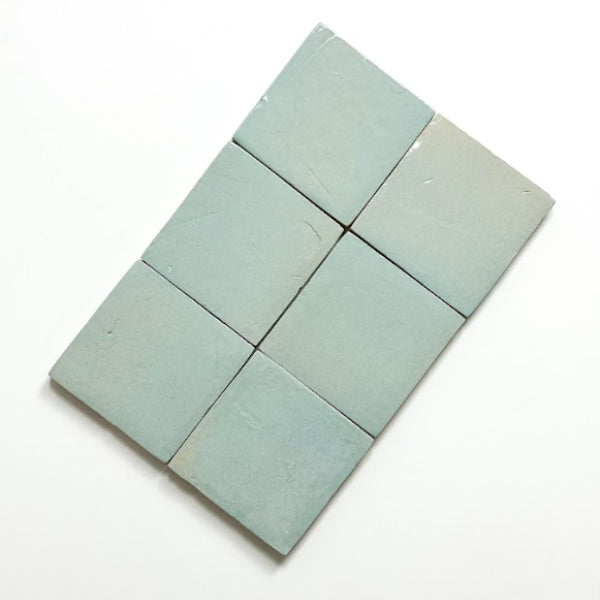
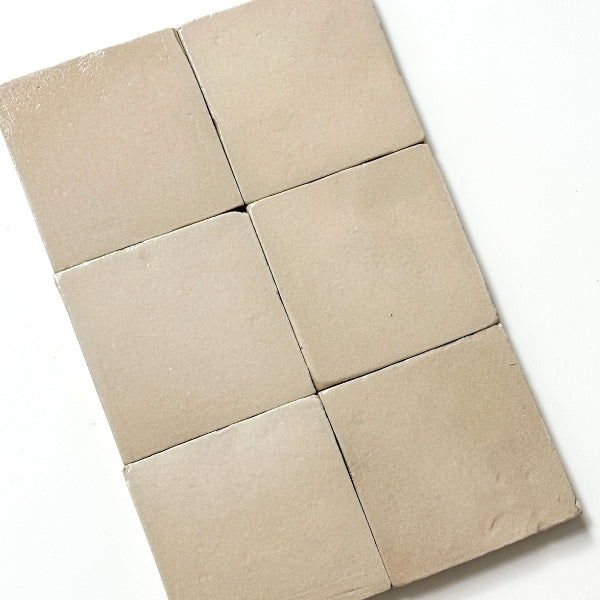
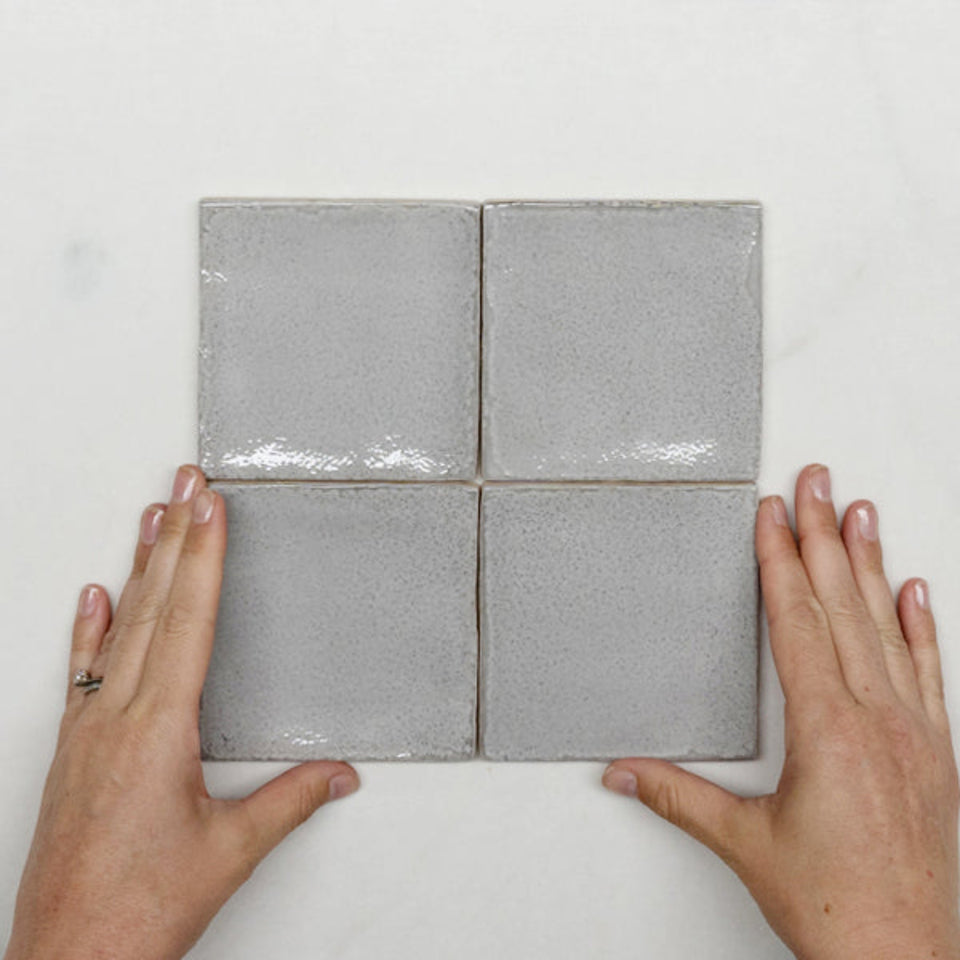
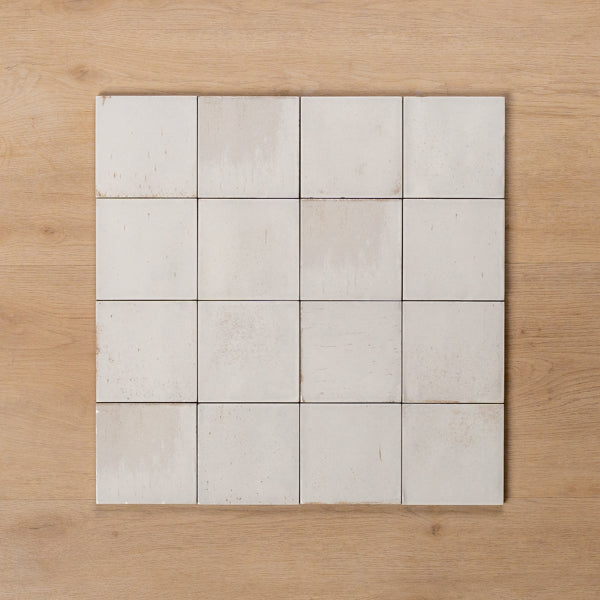
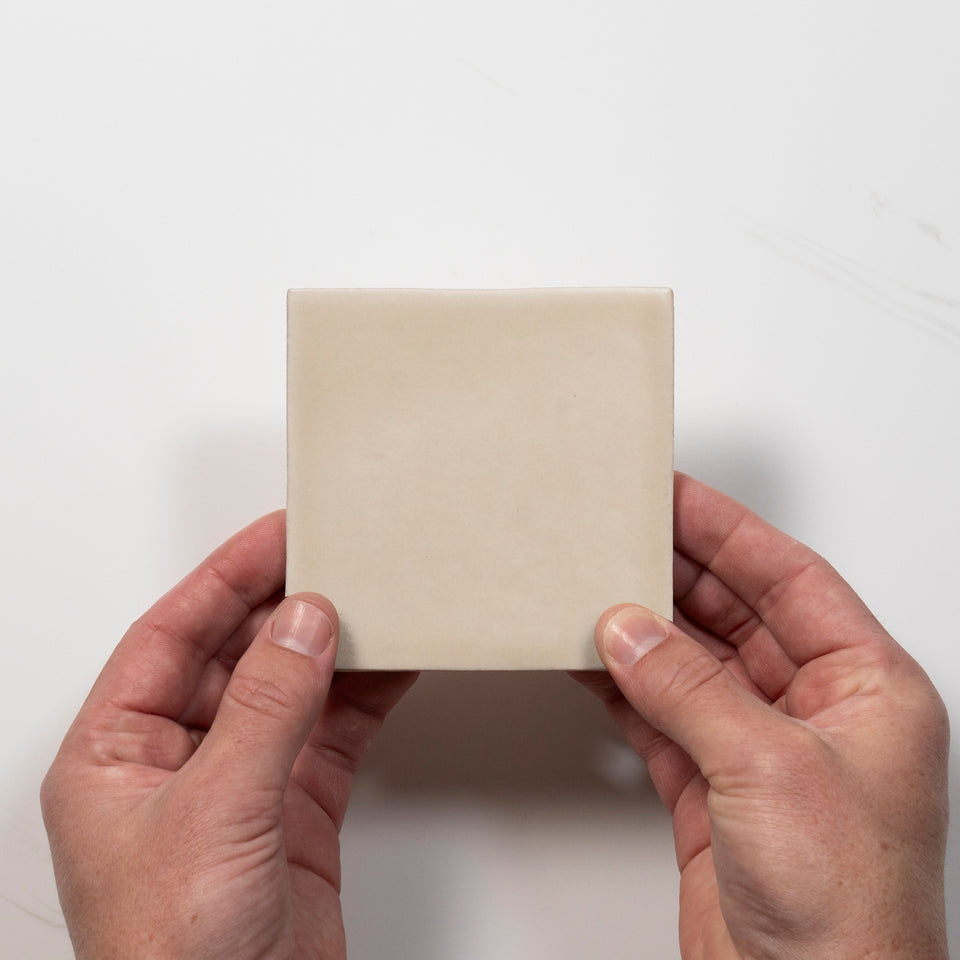
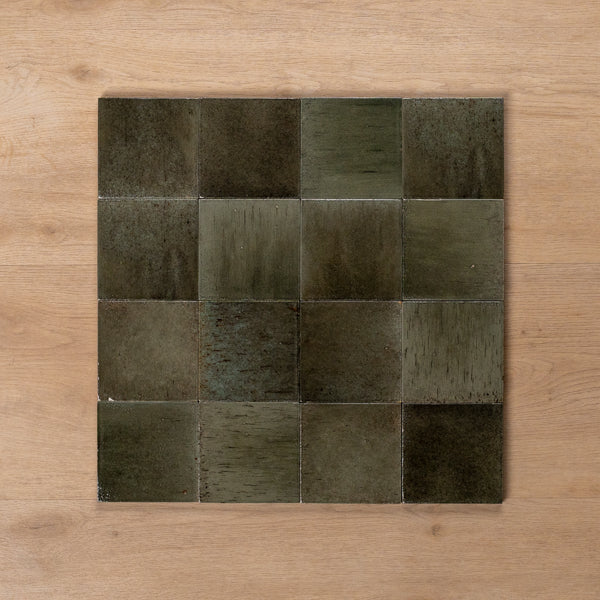
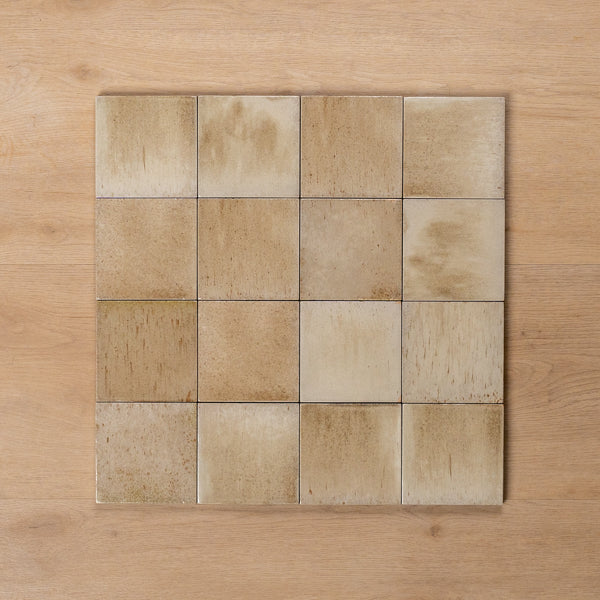
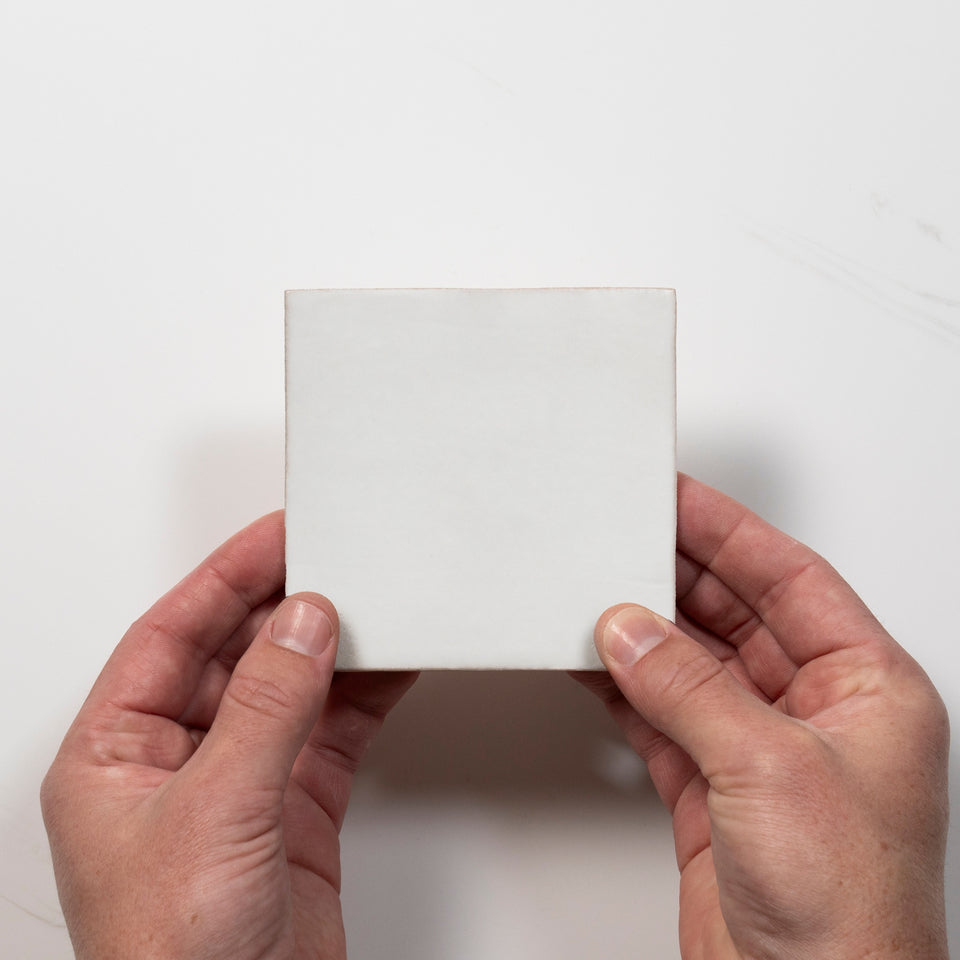
A 100mm square sits at a genuinely useful midpoint in the small tile category, large enough to read as a considered, deliberate square rather than a mosaic chip, while still carrying the pattern flexibility and grip benefits that come with a higher grout-line density.
Genuine versatility comes from the shape's simplicity: a 100mm square suits a straightforward grid layout, a considered feature wall, or a genuinely useful floor application in a smaller room where a larger format would need excessive cutting.
Improved slip resistance follows from the higher number of grout lines a smaller tile creates, a genuinely practical benefit for a shower floor or another consistently wet area.
Curved and awkward surfaces are handled considerably better by a 100mm tile than a larger format, letting it wrap a curved wall, a shower niche, or a custom-built seat with a clean, professional finish.
Ceramic remains the accessible, budget-friendly choice, genuinely easy to cut and install, well suited to a splashback or a lower-traffic wall application. Porcelain, fired at higher temperatures, is considerably more hard-wearing, suited to a busy floor or a wet area including a shower.
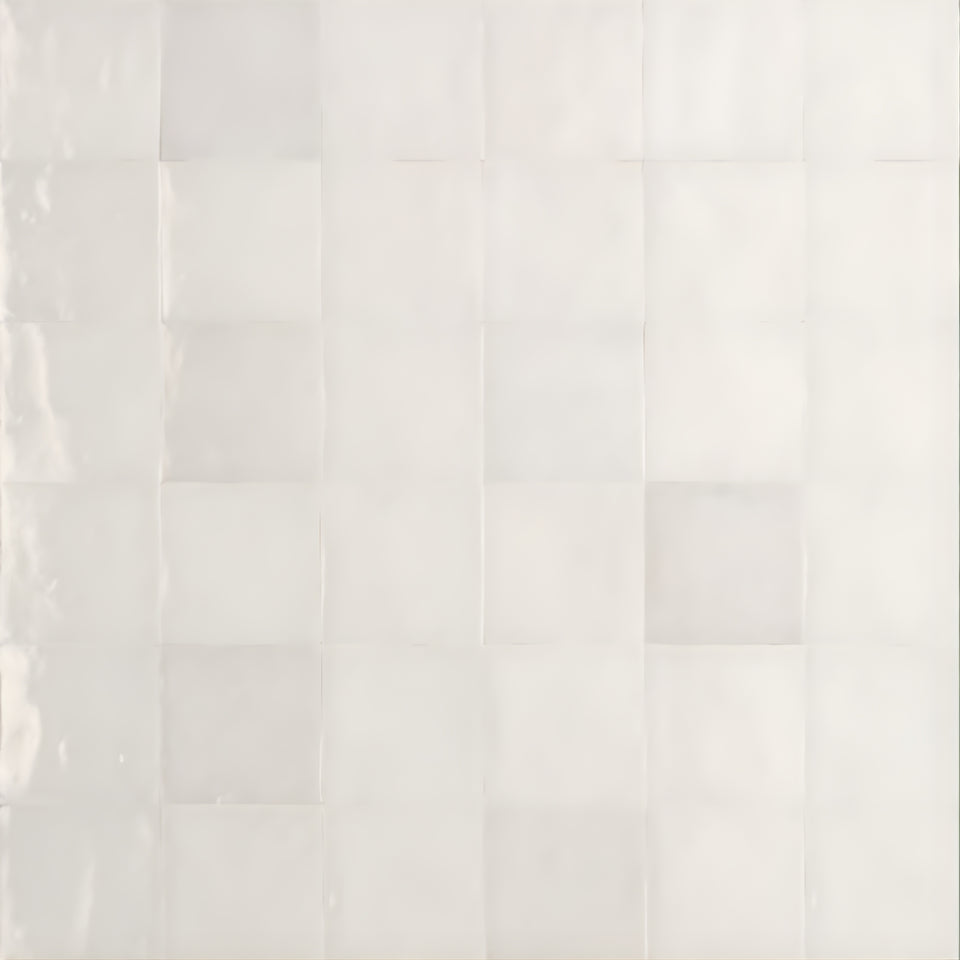
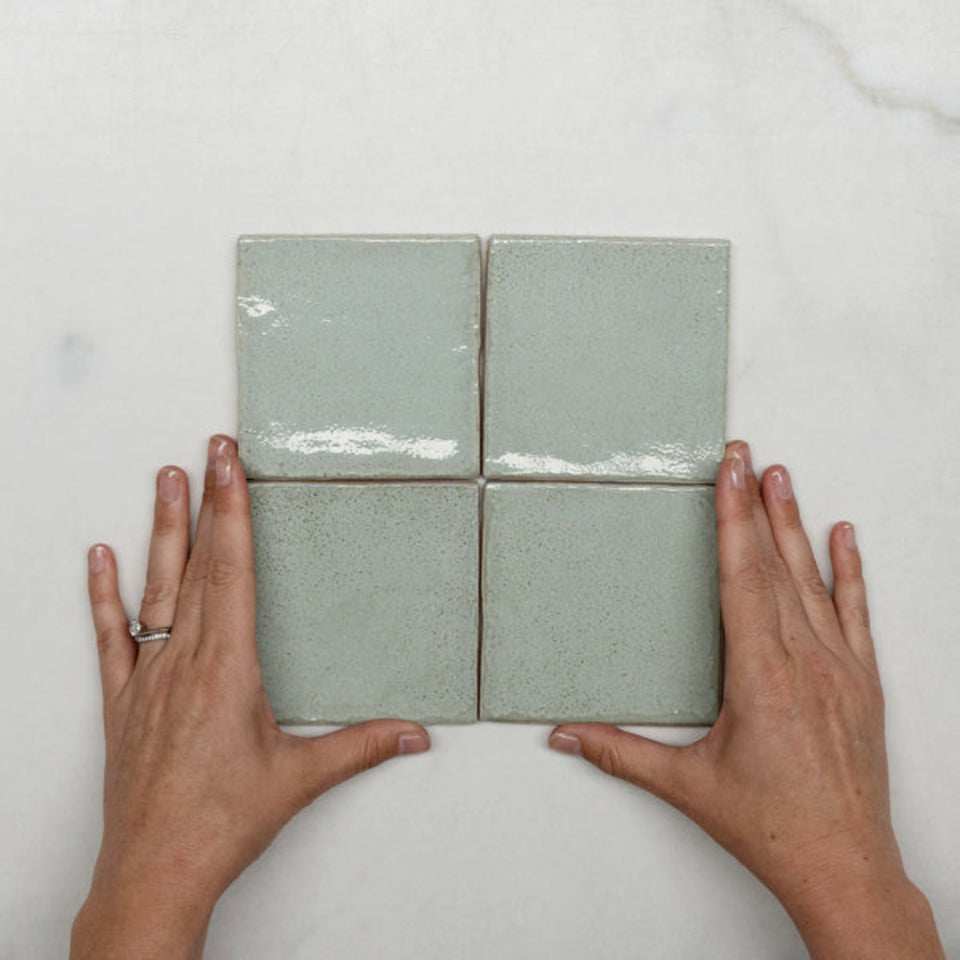
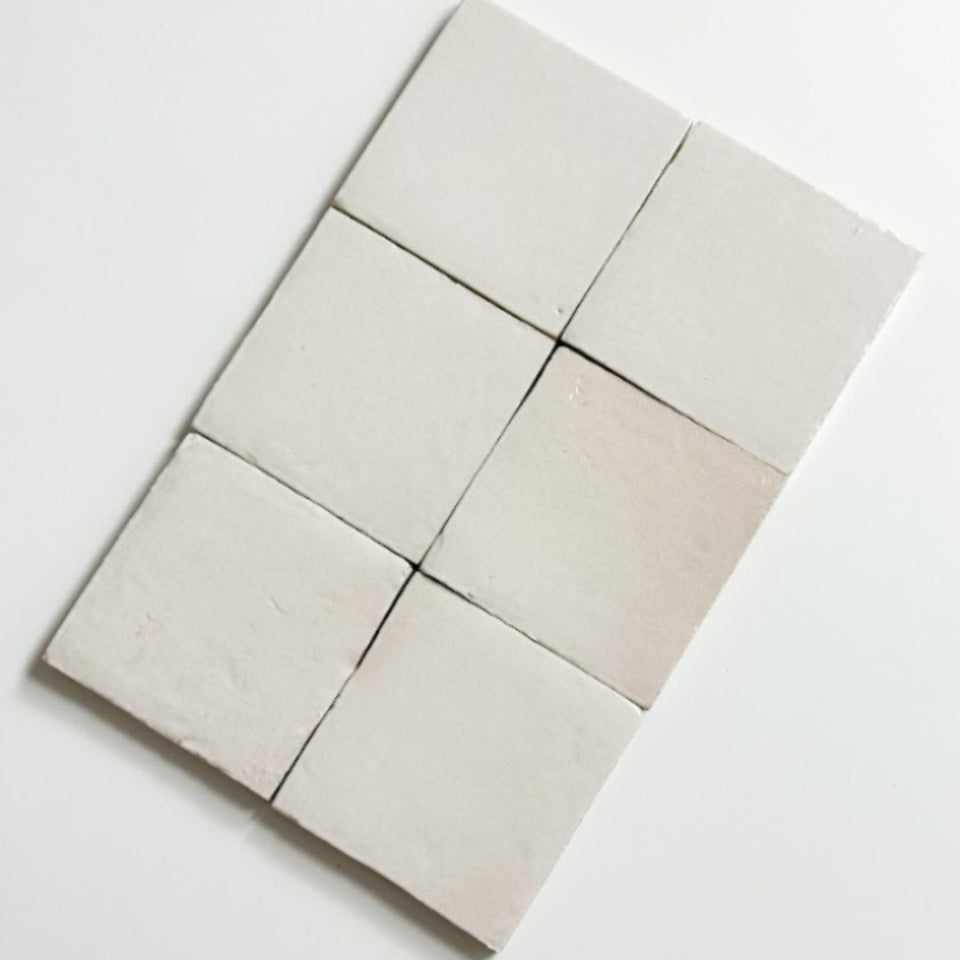
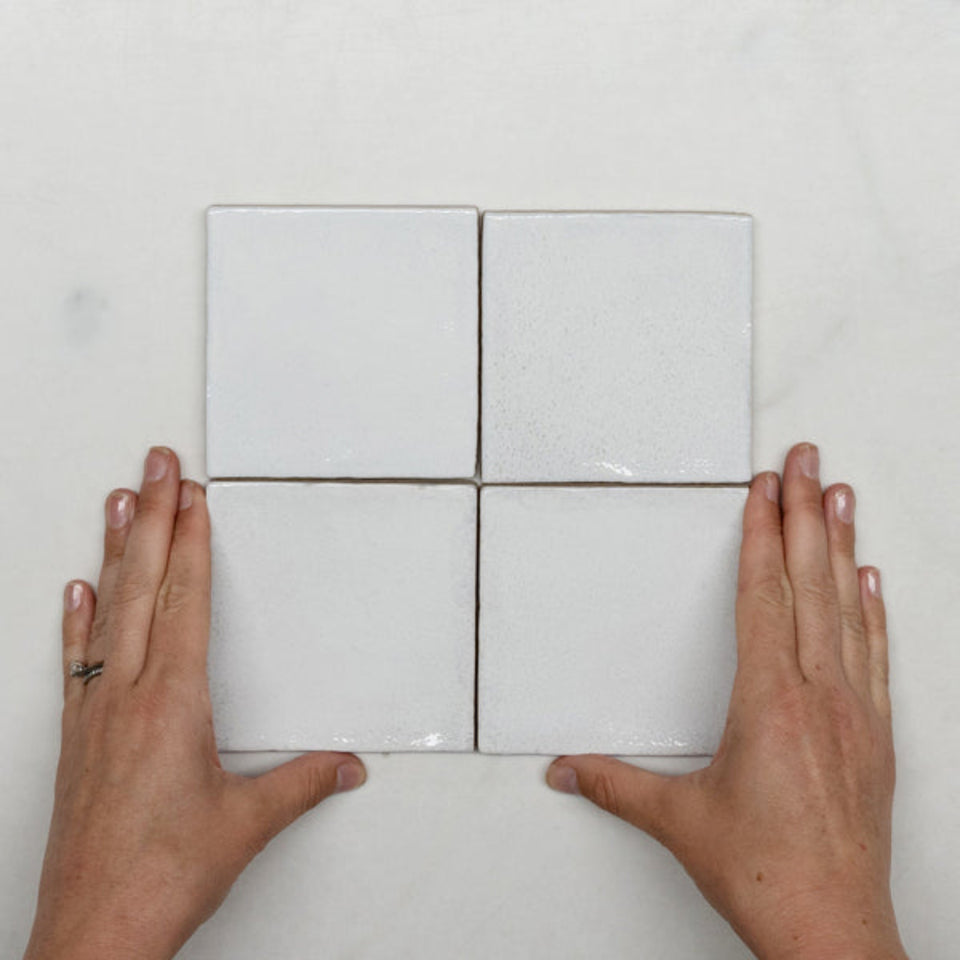
This collection spans beige, black, blue, green, grey, pink and white, giving genuine scope to build a considered colour scheme, whether a classic monochrome grid or a deliberate pop of colour against a neutral room.
Bathrooms suit a 100mm tile for shower interiors, feature walls and slip-resistant floors. Kitchens suit a 100mm splashback well, genuinely easy to clean and durable against daily use. Outdoor areas suit a specifically slip-resistant, frost-resistant porcelain in this size. Laundries and entryways benefit from the same combination of durability and genuine design flexibility.
A 100mm square tile suits both wall and floor applications, commonly used for bathroom shower interiors, kitchen splashbacks, and feature walls where a considered, detailed pattern is wanted. Its size also makes it well suited to curved or irregular surfaces that a larger tile would struggle to cover cleanly.
Yes, provided the specific tile carries an appropriate slip resistance rating. Australian Standards (AS 4586) require a minimum P3 rating for a domestic bathroom floor, and P4 or P5 for a wet area like a shower recess, so checking the rating before ordering for floor use matters.
Porcelain is fired at higher temperatures and is denser, less porous and harder than ceramic, making it more water-resistant and durable, suited to both indoor and outdoor use including high-traffic floors. Ceramic is lighter and easier to cut, a practical choice for walls and splashbacks specifically. For a bathroom floor or wet area, porcelain is generally the preferred option.
Measure the total wall or floor area in square metres, then add a 10% to 15% wastage allowance for cuts, breakages and future repairs, increasing to 15% to 20% for a complex layout involving diagonal patterns or feature inserts. Ordering all tiles from the same batch, checking the shade lot or batch number specifically, avoids a subtle colour mismatch between batches.
100mm x 100mm tiles are easiest to select once the room's other fixtures, vanity, tapware or cabinetry, are settled, since colour and finish should complement those choices rather than being decided in isolation. Browse the full tiles collection for complementary formats and finishes to pair with a 100mm tile selection.


